Key takeaways
- Tile is the most water- and scratch-resistant; hardwood is the only one you can refinish.
- LVP is warm, quiet and water-resistant, but quality varies by wear layer.
- Use tile or rated LVP on slabs; avoid solid hardwood there.
- Most family homes use two or three floor types across different rooms.
- Subfloor condition decides whether any floor will last.
Choosing flooring for a house with kids, pets and a lot of traffic comes down to three materials for most families: luxury vinyl plank, porcelain or ceramic tile, and hardwood. Each has a real place, and most homes end up using more than one. The right answer depends on the room, what is under the floor, and how the room gets used.
This guide compares the three on the things that matter in daily life, then walks through a typical King of Prussia split-level and colonial room by room. The same logic applies to most suburban homes around the Philadelphia area.
How the three materials compare
All three can look good and last for years. They differ in how they handle water, scratches and seasonal humidity, and in what the subfloor needs to be like before they go down.
Luxury vinyl plank (LVP)
LVP is a layered plastic plank with a printed wood or stone look and a clear wear layer on top. Most products sold today are rigid-core planks that click together and float over the subfloor, though glue-down versions exist. The planks themselves resist water, which makes LVP popular for basements and kitchens. It is warmer and quieter underfoot than tile and generally costs less to install.
The tradeoffs: the wear layer can scratch or dent under heavy furniture and pet claws, depending on its thickness. Water that gets under a floating floor at the edges can still sit on the subfloor. LVP cannot be refinished; damaged planks are replaced. Quality varies a lot between products, so the wear layer thickness and core type are worth comparing.
Porcelain and ceramic tile
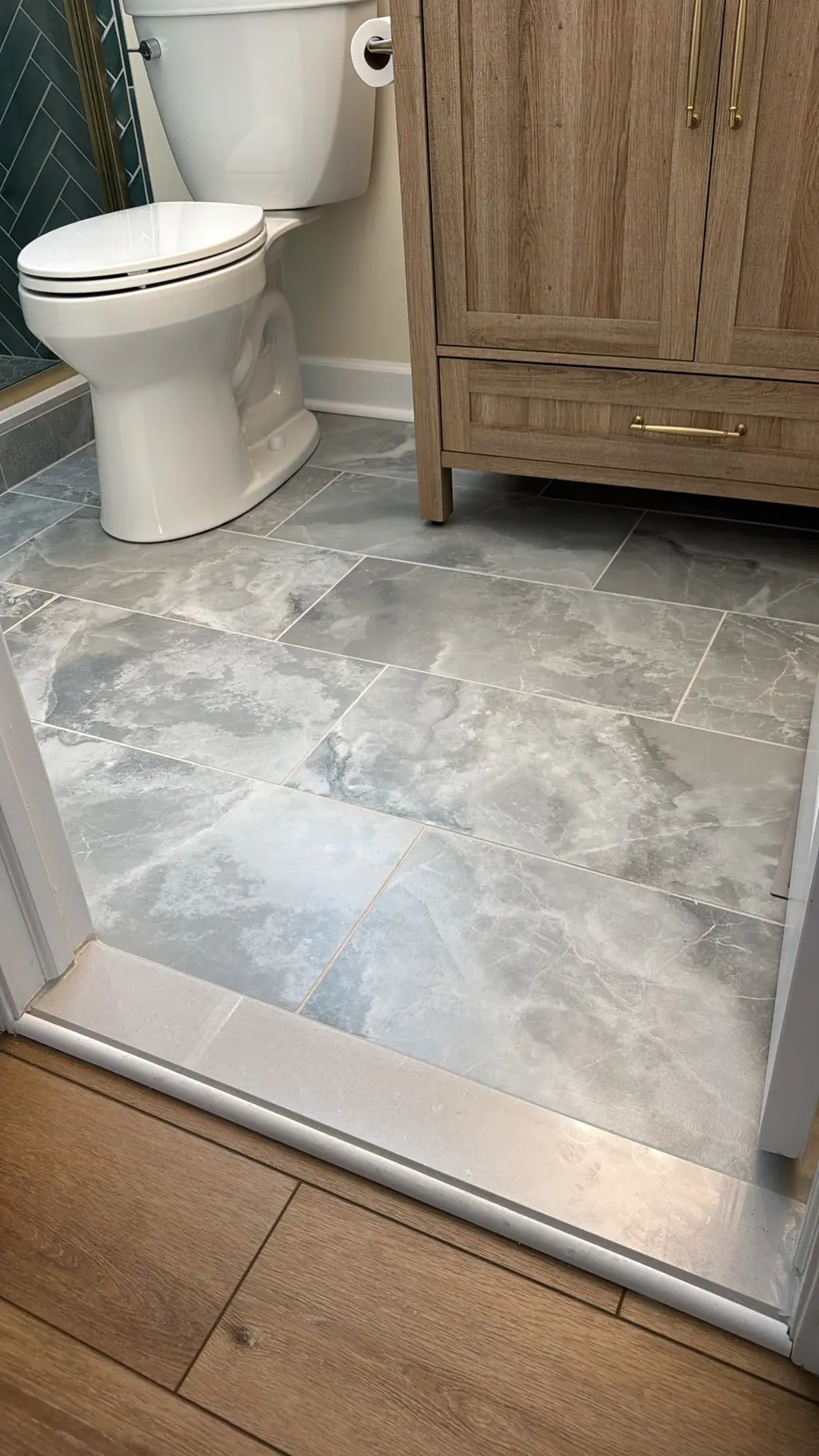
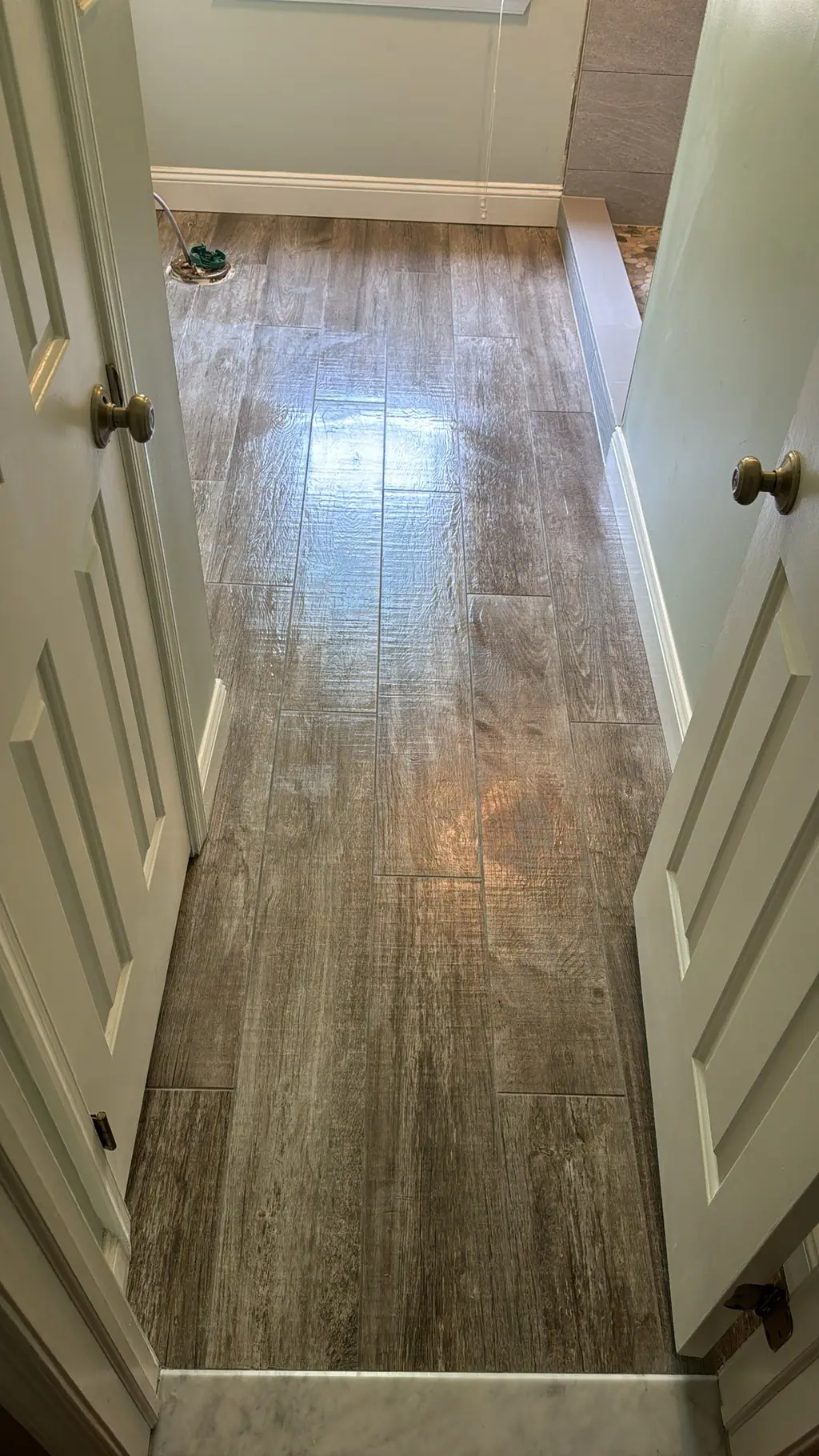
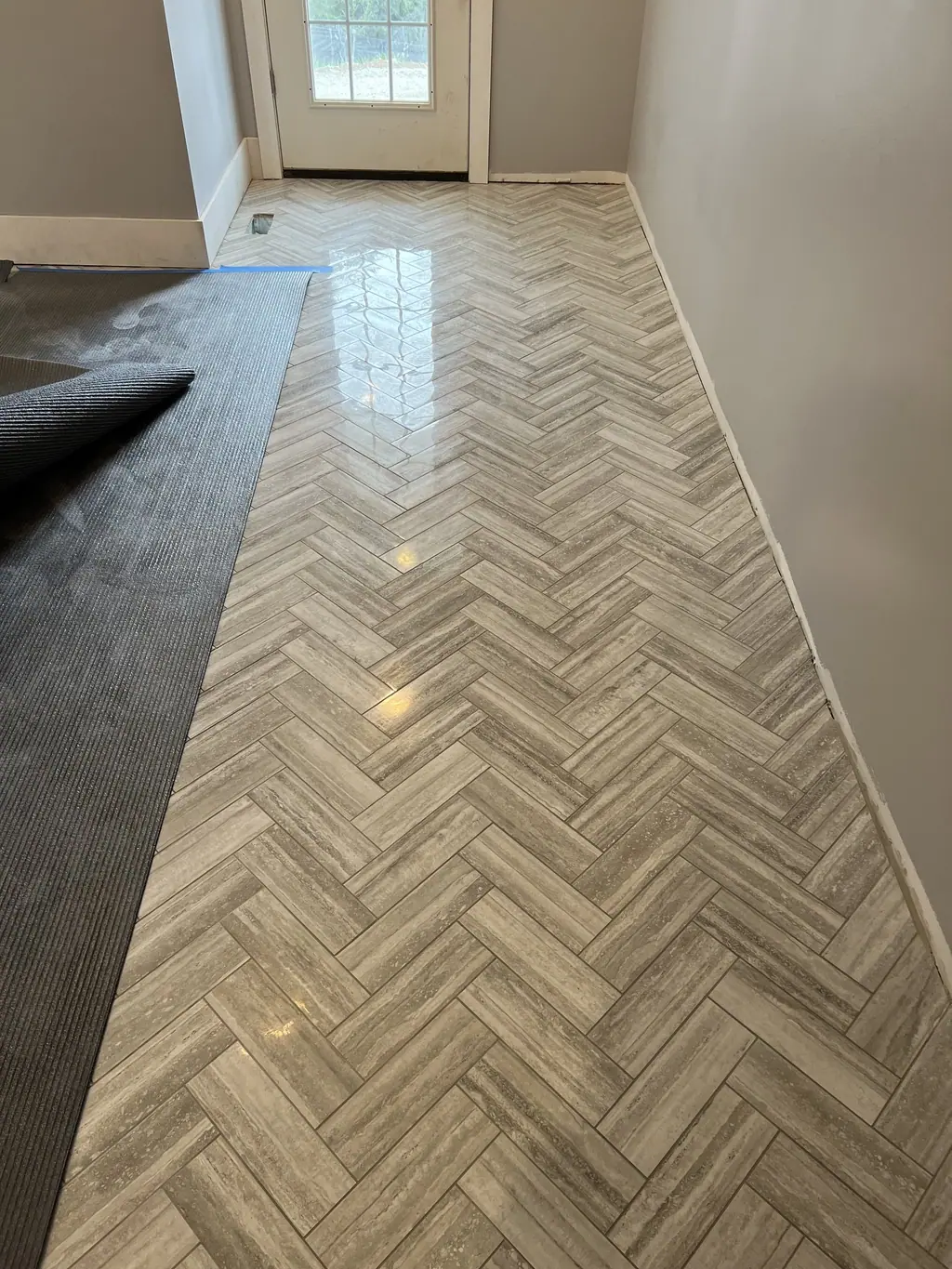
Porcelain tile is dense and absorbs very little water, so it holds up to spills, mud, pet accidents and wet boots better than anything else. It does not scratch the way wood and vinyl can, and the look options are wide, from wood-look planks to large-format stone looks and patterned layouts like herringbone.
Tile is hard and can feel cold, although electric radiant heat under the tile solves that in bathrooms and kitchens. Dropped glasses break. Tile needs a stiff, flat subfloor, and it is the most labor-intensive of the three to install. Grout needs occasional cleaning, and choosing the right grout helps.
Hardwood
Solid hardwood can be sanded and refinished several times over its life, which no other option here allows. Engineered hardwood has a real wood top layer over a plywood core; it is more stable with humidity changes and can go in some places where solid wood should not. Hardwood is comfortable underfoot and suits living rooms, dining rooms and bedrooms.
It scratches and dents, especially softer species, and standing water damages it. Hardwood expands and shrinks with the seasons, which matters in this region's humid summers and dry heated winters. It is a poor match for full bathrooms and for slabs that carry moisture.
Side-by-side: what families usually care about
Each material wins in different areas. A quick summary, in general terms:
- Water and spills: tile is best, LVP is good, hardwood is weakest.
- Scratches from pets: tile is best, LVP varies by wear layer, hardwood shows scratches most.
- Comfort and warmth: hardwood and LVP feel softer and warmer; tile is firm unless heated.
- Noise: tile and hardwood can be loud without area rugs; LVP with a good underlayment is quieter.
- Repair: hardwood can be refinished; LVP and tile are repaired by replacing individual pieces.
- Installation demands: tile needs the stiffest, flattest subfloor; LVP tolerates more but still needs a flat surface.
Matching floors to rooms in a split-level or colonial
King of Prussia and much of Upper Merion Township were built out with split-levels, ranches and colonials from the 1950s through the 1970s. Those houses make a good example because they combine a concrete slab lower level with wood-framed upper floors.
Lower-level family room on a slab
The family room in a split-level usually sits on a concrete slab near grade. Slabs can be cool and can carry some moisture from the ground. Solid hardwood is not recommended there. LVP rated for on-grade or below-grade use and porcelain tile are both good choices. LVP is warmer for a playroom; tile handles a door to the yard and a busy dog better. Either way, the slab should be checked for moisture and flatness first.
Entry, mudroom and laundry
These rooms take wet shoes, road salt and dirt in winter. Porcelain tile is the durable choice. A textured or matte finish is less slippery when wet. Darker, mid-tone grout hides dirt better than white.
Kitchen
Tile and LVP are both common kitchen floors. Tile handles spills and dropped pans without complaint; LVP is easier on the feet during long cooking sessions. Hardwood can work in kitchens when spills are wiped up promptly, and some families choose it to match adjoining rooms. Older kitchens often have several layers of flooring stacked up, and removing them before the new floor goes down avoids height problems at the doorways.
Living, dining and bedrooms
Many houses from this era have oak strip flooring under the carpet in these rooms. If it is in reasonable shape, refinishing can be a very good value. Where there is no hardwood, engineered wood or LVP both work. Bedrooms upstairs benefit from quieter floors, which is where LVP with an underlayment or wood with area rugs makes sense.
Bathrooms
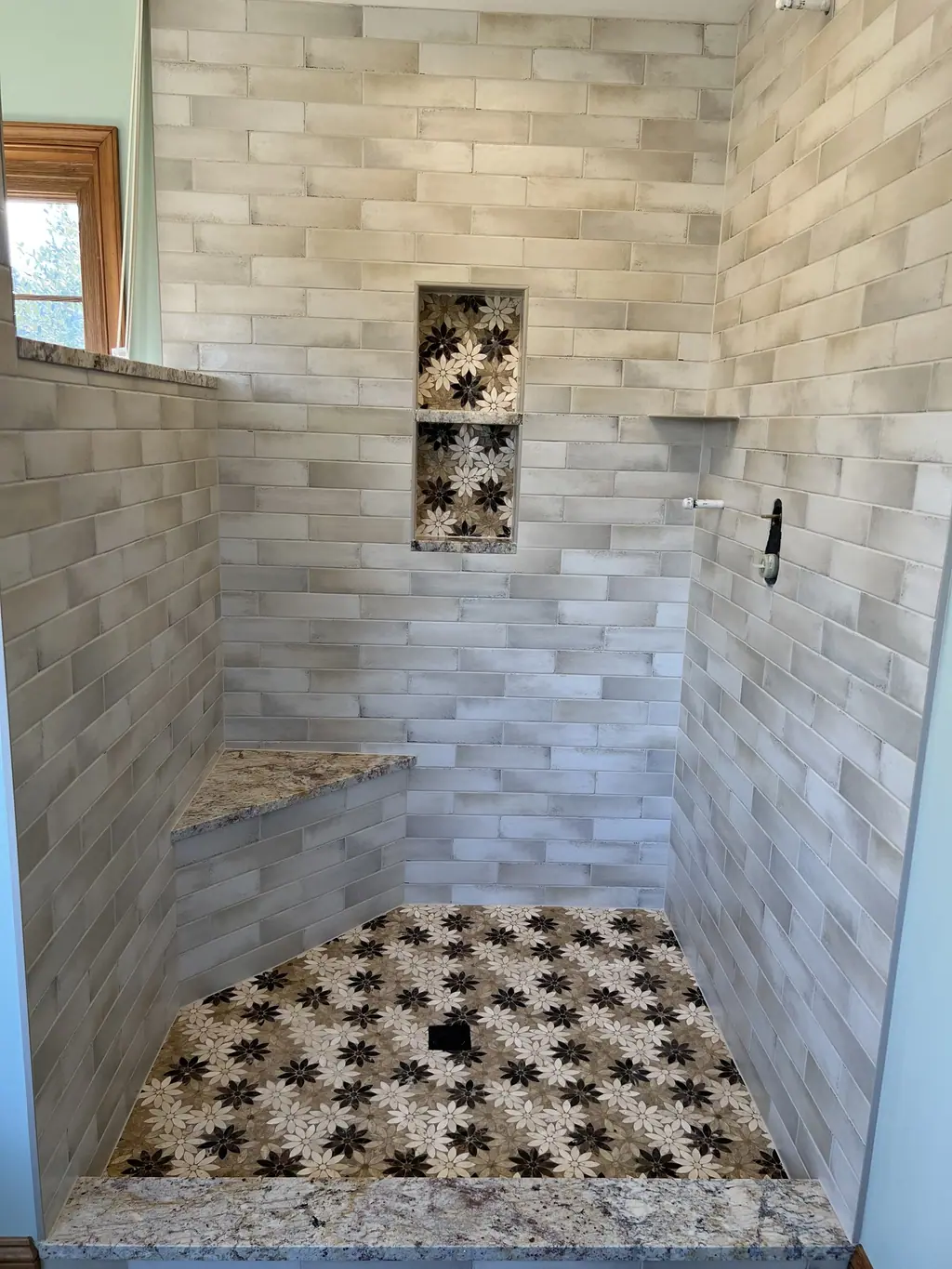
Tile is the standard for full bathrooms because it handles standing water and works with a tiled shower. LVP can work in a powder room. Hardwood is best avoided in full baths.
What is under the floor matters most
The subfloor decides what will succeed. Tile on a bouncy floor cracks. LVP over a floor with dips feels spongy and the click joints can separate. Hardwood nailed into damp or uneven subfloor can cup.
Before any new floor, the subfloor should be checked for loose panels, squeaks, soft spots from old leaks and overall flatness. On upper floors, tile may need an uncoupling membrane or added subfloor thickness. On slabs, cracks and moisture should be evaluated. In homes built before the 1980s, old vinyl tile and black adhesive can contain asbestos and should be tested before removal.
Transitions deserve attention too. When two different floors meet at a doorway, the heights should match or step down with a proper reducer. Planning the thickness of each floor, including underlayments and membranes, avoids trip edges.
Cost factors and next steps
Installed cost depends on the material, the square footage, how much old flooring has to come out, subfloor or slab preparation, and the number of stairs and transitions. Tile usually has the highest labor cost of the three. LVP often has the lowest. Hardwood falls in between, with refinishing existing wood often being the most economical route when it is there.
F2 Home Improvement installs tile, LVP and hardwood in homes around King of Prussia and the surrounding townships. See our page on flooring installation in King of Prussia, or contact us for a free in-home estimate.
Frequently asked questions
Is LVP really waterproof?
The planks resist water, but a floating floor can let water through its seams and edges to the subfloor. Spills on the surface are fine if wiped up; a leak that sits under the floor is still a problem.
Can tile go on the second floor of an older house?
Usually, if the joists and subfloor are stiff enough. The framing may need reinforcement, added subfloor or an uncoupling membrane. A walkthrough is the way to tell.
Which floor is best with dogs?
Porcelain tile resists scratching best. LVP with a thicker wear layer is a good second choice and is quieter. Hardwood will show scratches over time, especially in softer species.
Should all the floors on one level match?
Not necessarily. Many homes use tile in the kitchen and entry and wood or LVP in living areas. What matters is that transitions are planned and the colors work together.
Planning a flooring installation project in King of Prussia?
Get a free in-home estimate from F2.