Key takeaways
- L&I issues Philadelphia permits through the eCLIPSE online system.
- Replacing finishes in place usually needs no permit; moving plumbing, wiring or walls usually does.
- Licensed plumbers and electricians pull their own permits in Philadelphia.
- Rough-in inspections happen before walls are closed, so build them into the schedule.
- Historic review mostly affects exterior work, such as vents and windows on the facade.
Permits in Philadelphia are handled by the Department of Licenses and Inspections, known everywhere as L&I. Applications, plan submissions and inspection requests go through eCLIPSE, the city's online permitting system. For a homeowner planning a kitchen or bathroom, the practical questions are simpler than the system: does my project need a permit, who applies, and what happens once it is issued.
This guide answers those questions in general terms. Permit rules change, and the details depend on your exact scope and property, so treat this as orientation and confirm specifics with L&I or your contractor before work starts.
What usually does not need a permit
A lot of remodeling work is replacement of finishes, and L&I generally does not require a permit for it. L&I publishes a list of work that is exempt from permits, and it is worth reading before you plan. In broad terms, the following usually fall on the no-permit side when nothing structural, plumbing or electrical is changing:
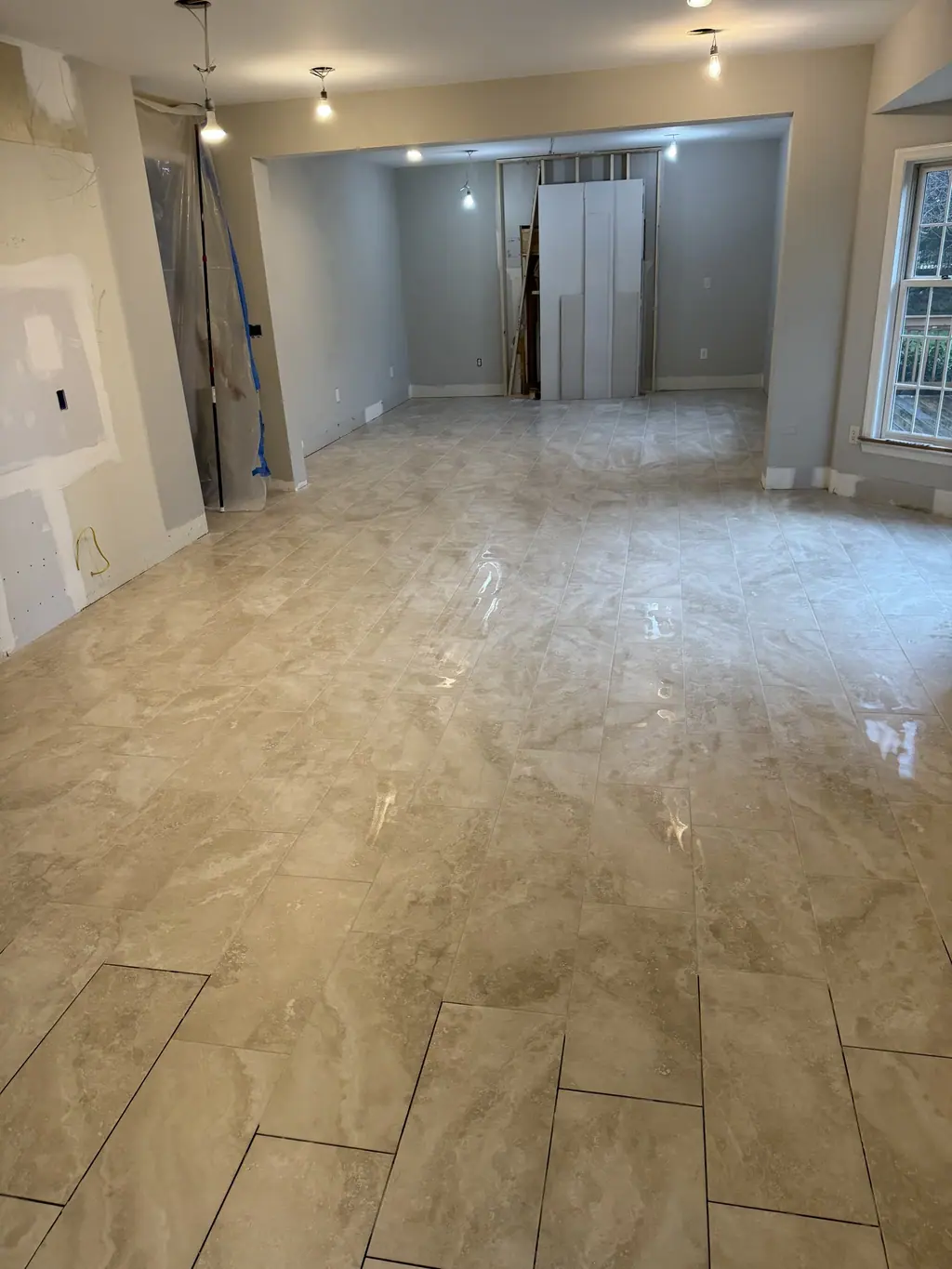
- Replacing floor tile, vinyl, carpet or hardwood
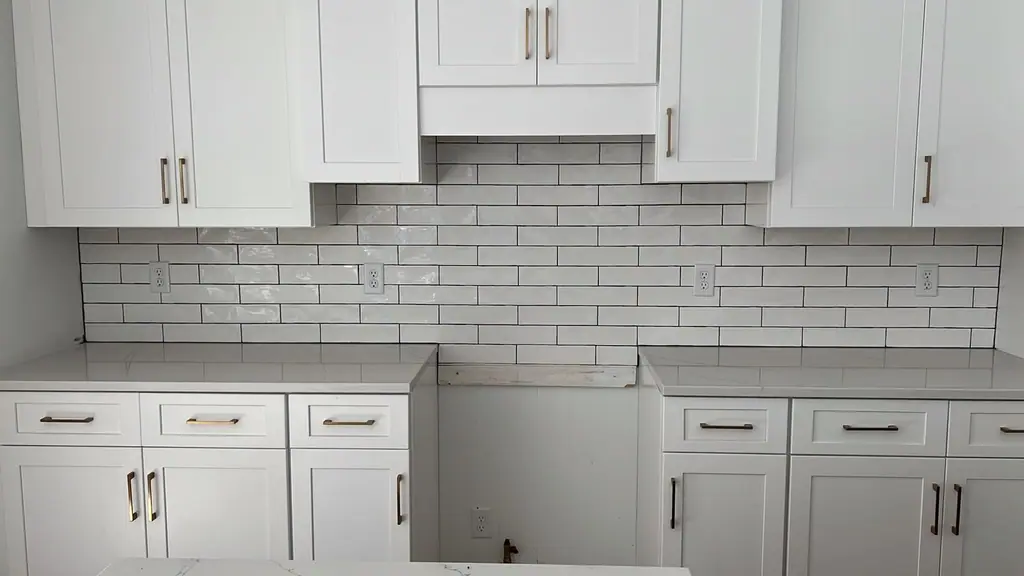
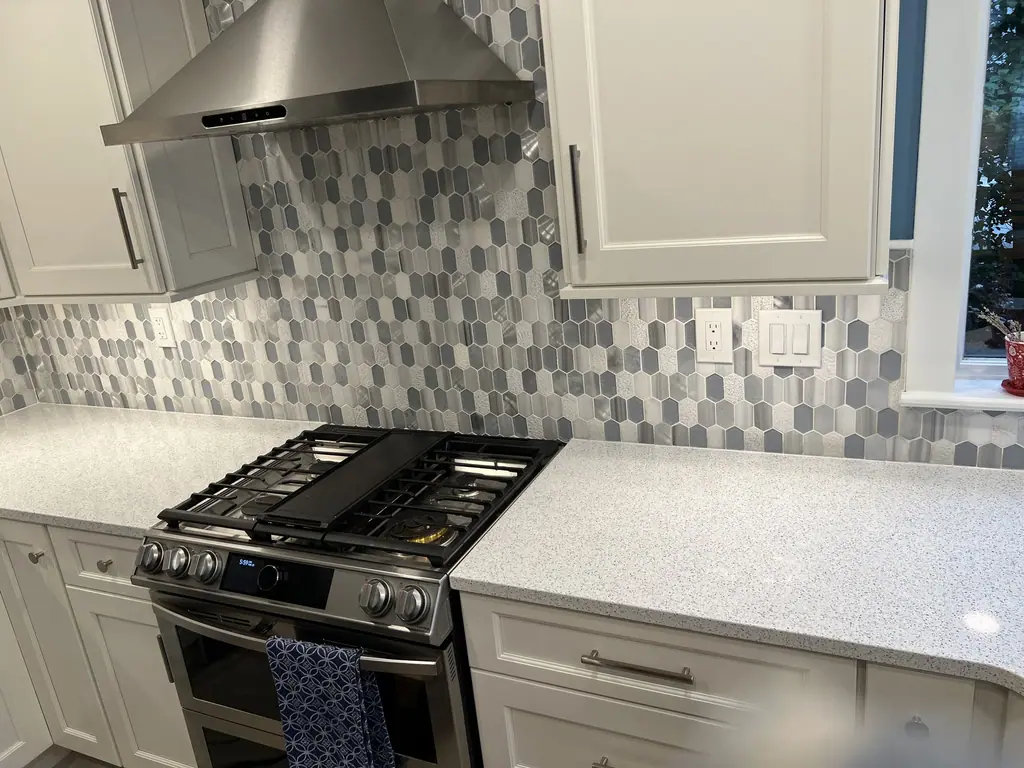
- Tiling a backsplash or retiling walls in place
- Replacing kitchen cabinets and countertops in the same locations
- Painting, trim and minor drywall or plaster repair
- Swapping a faucet or a toilet on existing supply and drain lines
What usually does need a permit
The line gets crossed when work touches structure, systems or the building's use. For bathroom and kitchen projects, the common triggers are:
- Moving or adding plumbing fixtures, drains, vents or supply lines
- New electrical circuits, moved outlets or new lighting on new wiring
- Removing or altering walls, especially load-bearing ones
- Cutting or modifying floor joists, headers or other framing
- Changing gas lines, such as converting a range or moving it
- Adding a bathroom where there was none
- Decks, roof decks and anything that changes the exterior footprint
Building, plumbing, electrical and zoning permits
A single remodel can involve more than one permit. A building permit covers structural and general alteration work. Plumbing and electrical permits are separate and are issued to licensed trades. Zoning permits come into play when a project changes the use of the property, adds floor area or involves something like a roof deck. A gut bathroom remodel that moves the shower drain and adds a fan circuit might need a plumbing permit and an electrical permit even if no building permit is required.
Who pulls the permit
In Philadelphia, plumbing permits are pulled by licensed plumbers and electrical permits by licensed electricians. That is one of the reasons to confirm early who is doing each trade on your project and that each of them is licensed with the city. Building permits for contractor work are generally applied for by the contractor, and L&I licenses contractors who do permitted work.
Pennsylvania adds its own layer. Under the state's Home Improvement Consumer Protection Act, most home improvement contractors must register with the Pennsylvania Attorney General's office and include their registration number on contracts. F2 Home Improvement is a registered Pennsylvania home improvement contractor. State registration is separate from any city license or permit, so ask about both.
A good test of any contractor is how they answer the permit question. If someone suggests skipping a permit that the scope clearly requires, that is a warning sign. Unpermitted work can surface at resale, during an insurance claim or when the next contractor opens the wall.
Inspections: what gets checked and when
Permitted work is inspected in stages. The most important point for homeowners is that rough-in inspections happen with the walls and ceilings open. Plumbing, electrical and framing have to be inspected before insulation, board or tile covers them. If walls are closed early, they may have to be opened again.
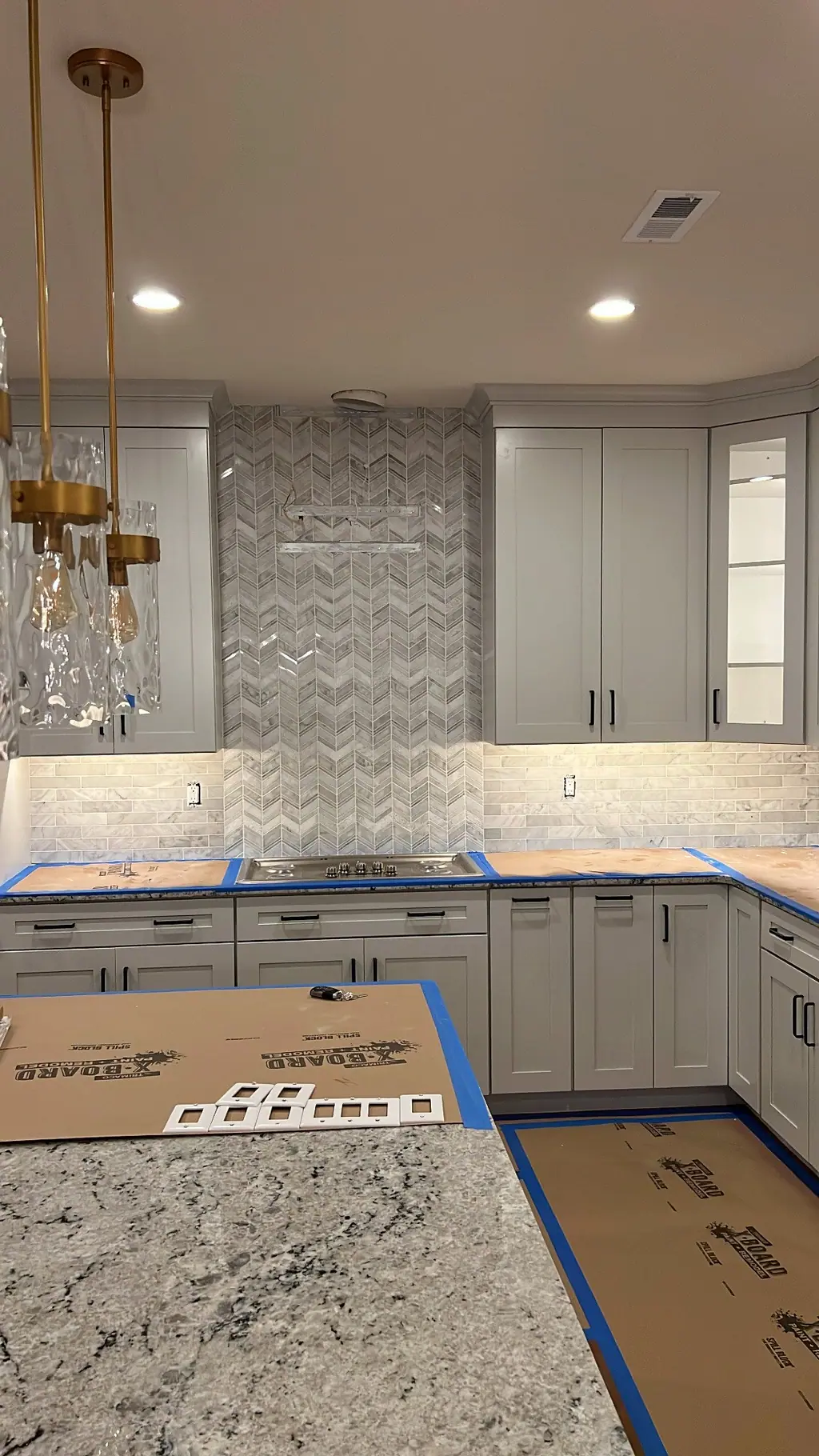
For a bathroom, that typically means demolition, framing repairs and rough plumbing and electrical, then inspections, then board, waterproofing and tile. For a kitchen with new circuits, the electrical rough-in is inspected before the walls are patched and the backsplash goes up. Build inspection timing into the schedule. A plan that assumes inspections happen the same day the work is ready is optimistic.
Historic properties and condo buildings
If your house is listed on the Philadelphia Register of Historic Places or sits in a historic district, the Philadelphia Historical Commission reviews exterior work that requires a permit. Most interior kitchen and bathroom remodels are not affected. Where it can come up is on the outside of the building: a new exhaust vent on the front facade, a replacement window or a roof deck visible from the street. Plan vent routes to the rear or roof when you can.
Condo owners have another approval to get. Most associations require notice or approval before a remodel, and many have rules on work hours, elevator use, insurance certificates and flooring underlayment. Those rules are separate from L&I, and the association can stop work that does not follow them.
Planning a project around permits
The easiest way to keep permits from delaying a kitchen or bathroom is to decide the layout before anything is ordered. Moving a sink two feet or a toilet to another wall is what turns a finish replacement into a permitted plumbing job. If you know that is part of the plan, apply early. If you would rather avoid the process, keeping fixtures in place is the simplest route.
When we walk through a project, we separate the finish work from anything that will need a licensed trade and a permit, so you can see where the line falls for your scope. See our pages on kitchen remodeling in Philadelphia and bathroom remodeling in Philadelphia for how those projects run.
Frequently asked questions
Do I need a permit to replace my kitchen backsplash in Philadelphia?
Generally no, if you are only replacing tile. If the project also adds or moves outlets, that electrical work needs a licensed electrician and a permit.
Can I apply for a permit myself?
L&I has rules on who can apply for each permit type, and trade permits require a licensed plumber or electrician. Check L&I's current requirements for your situation before you apply on your own.
What happens if previous owners did unpermitted work?
It often comes up during a sale or when walls are opened. Depending on what it is, it may need to be inspected, corrected or permitted after the fact. Talk to L&I or a contractor about the specific situation.
Can F2 help me figure out whether my project needs a permit?
Yes. We go over the scope during a free walkthrough and point out which parts are likely to need permits and licensed trades. Contact us to set one up.
Planning a kitchen remodeling project in Philadelphia?
Get a free in-home estimate from F2.