
Interior demolition in Newark, DE is usually the first week of a bigger job: a bathroom taken to studs, a kitchen floor pulled up, or a wall of old tile removed before new work goes in. F2 Home Improvement does demolition as part of our own remodels and as a standalone service for homeowners and landlords who have other trades lined up for the rebuild.
Good demo is careful demo. The goal is to remove what's coming out without cracking the tub you're keeping, tearing the drywall in the next room or cutting into a pipe or wire nobody expected to find. Because we spend most of our time building tile showers and floors, we take things apart knowing exactly what the next crew needs to see when the dust settles. The general approach is on our interior demolition page.
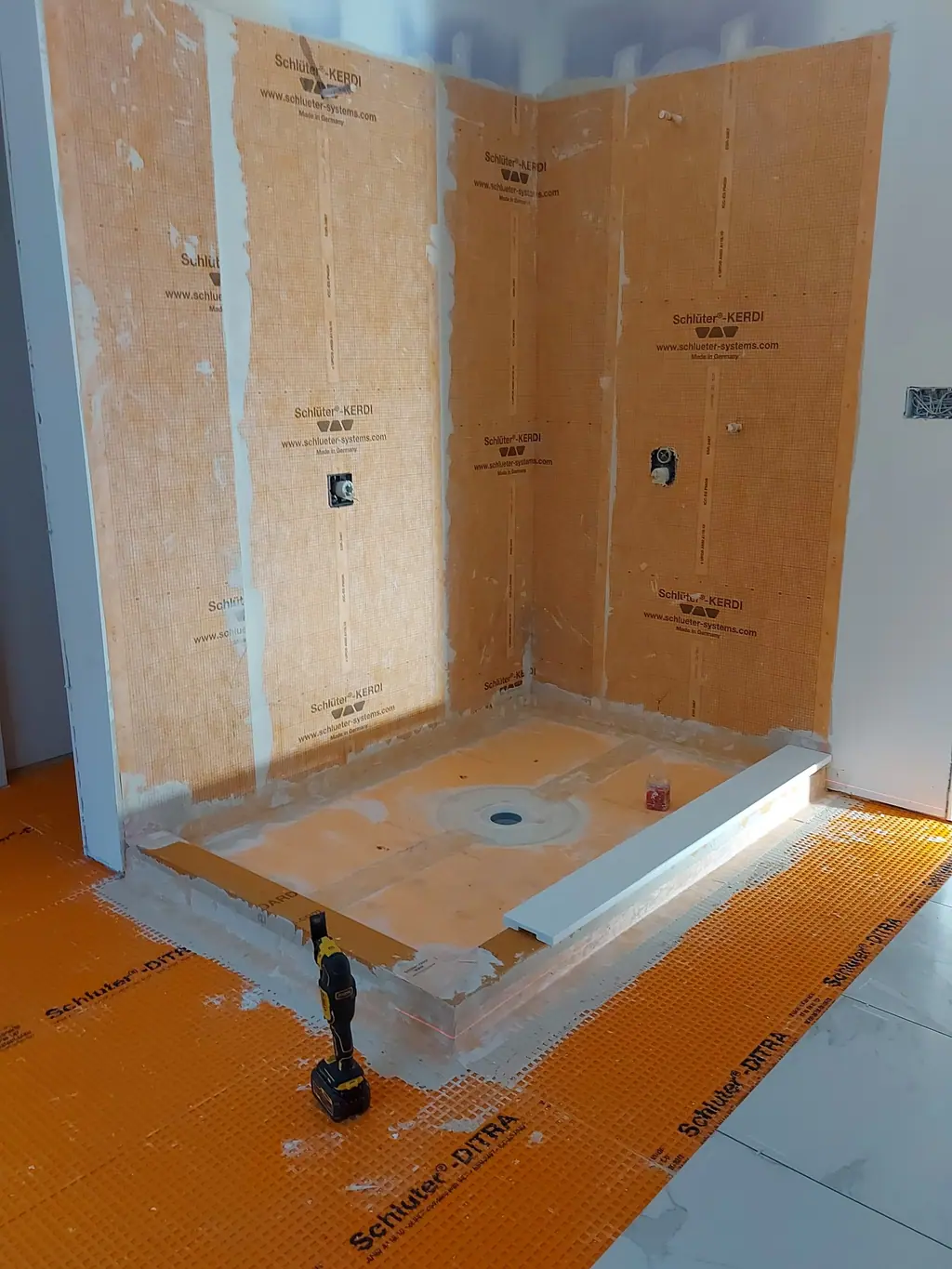
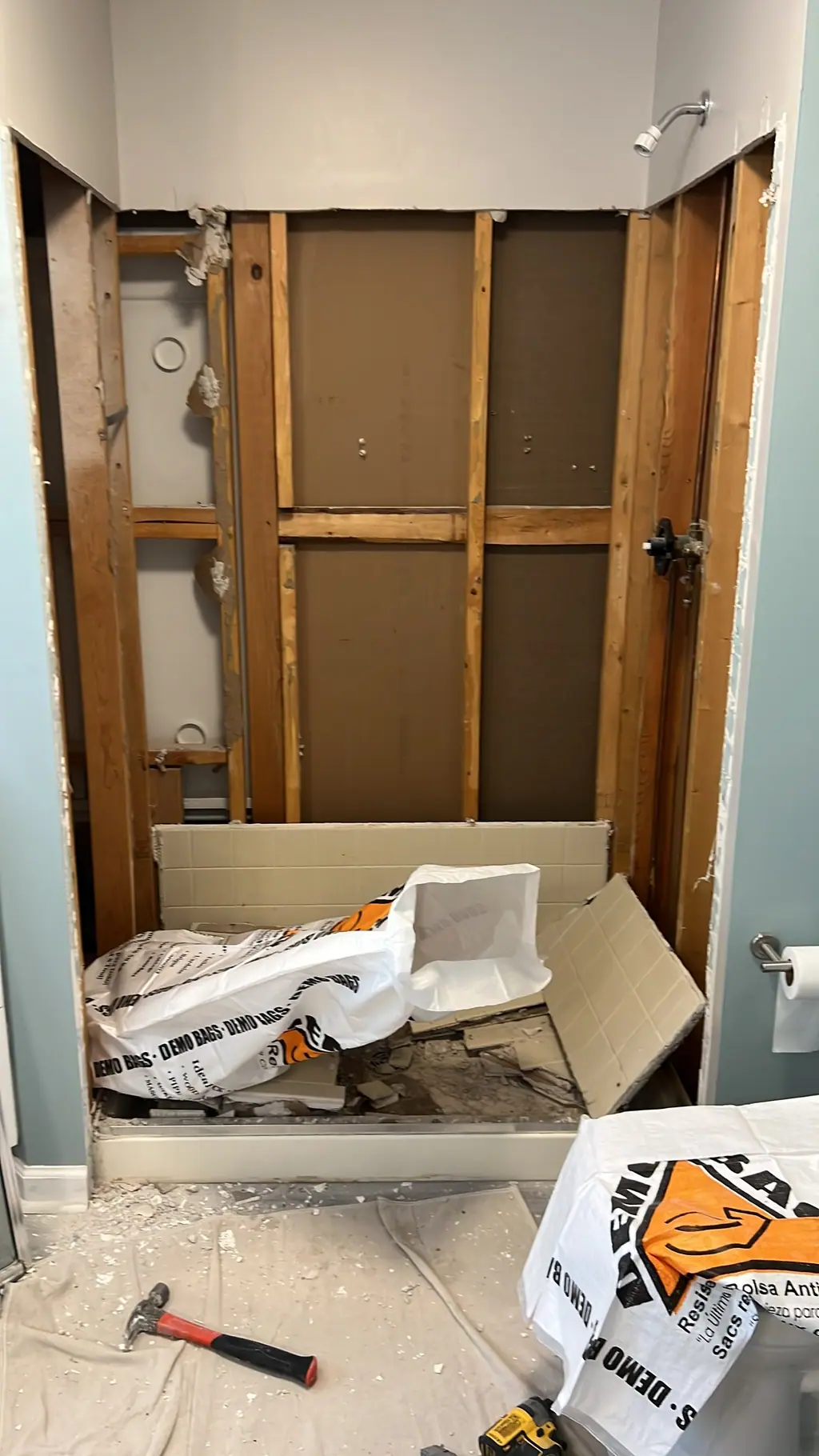
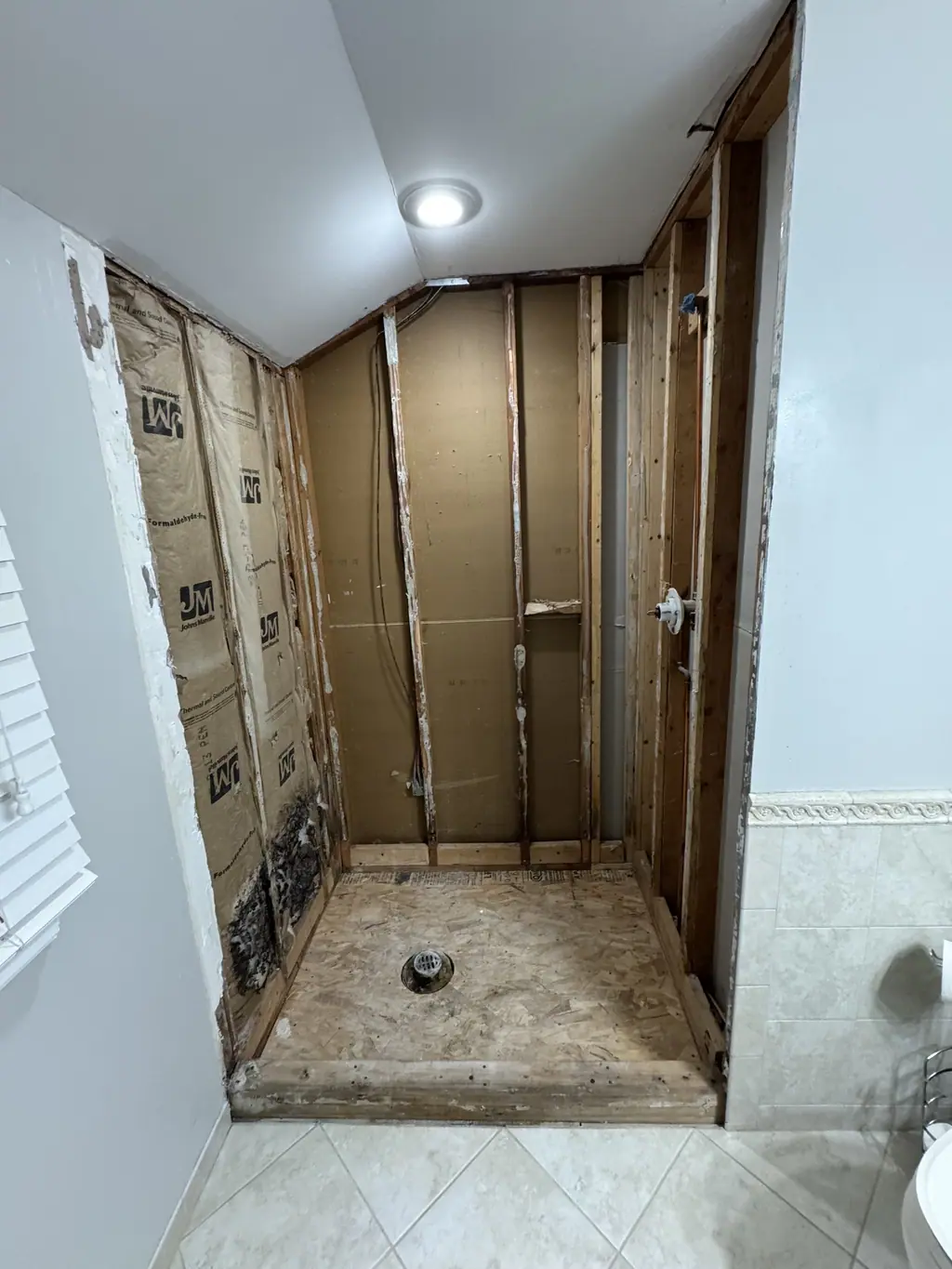
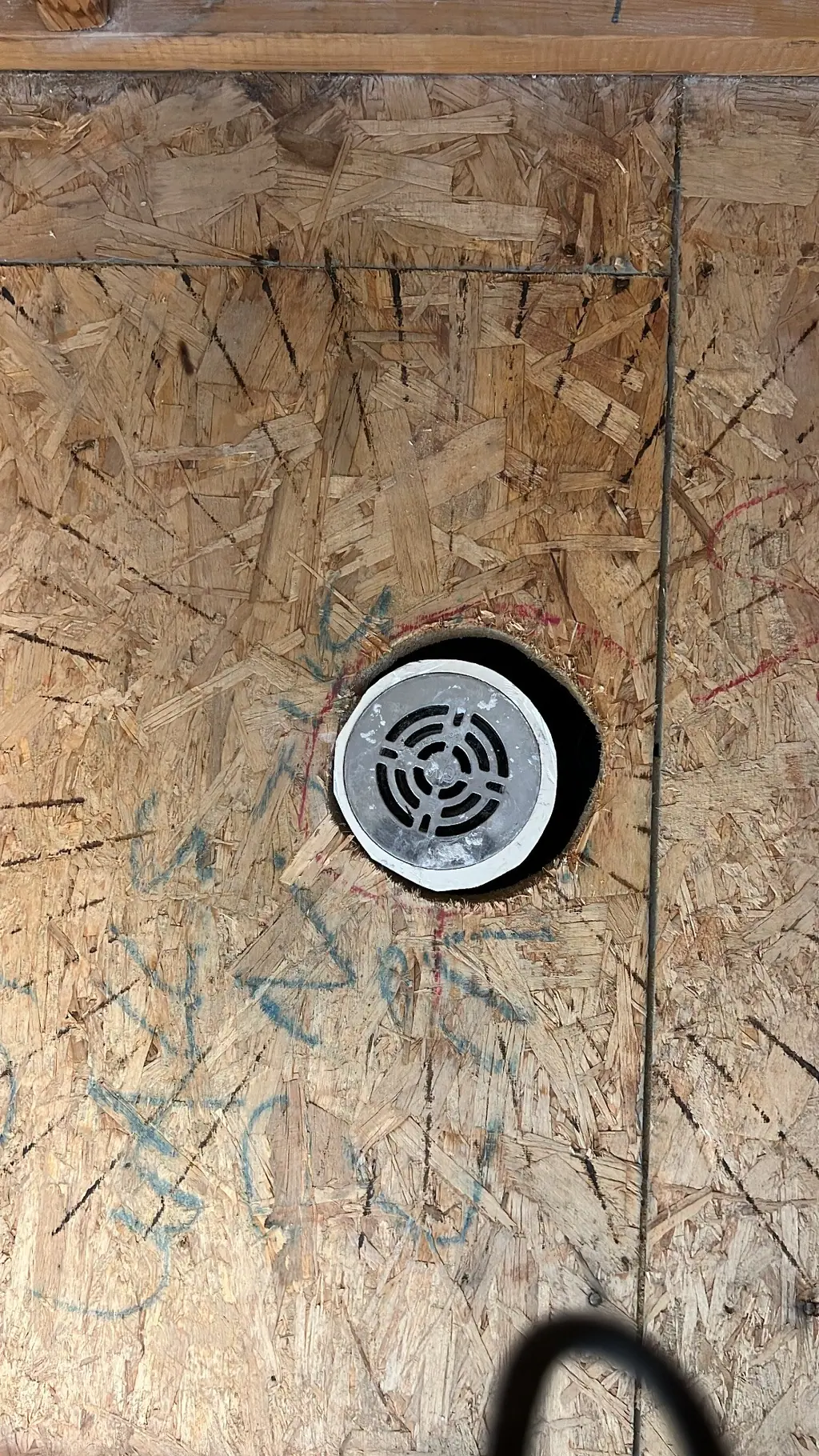
Demolition in Newark houses, occupied homes and rentals
Much of Newark's housing went up between the 1950s and 1980s, which puts a lot of homes in the window where lead-based paint and asbestos-containing materials are possible. Houses built before 1978 may have lead paint on trim, doors and walls, and older flooring, mastics, joint compound and textured ceilings can contain asbestos. We ask about the age of the house at the walkthrough and recommend testing when the materials we'll disturb fit that profile.
Two situations are common here. In owner-occupied split-levels and ranches, people are living in the house during the work, so dust control and a clear path in and out matter as much as speed. In rental properties near the University of Delaware, the work often happens in the few weeks between leases, and a damaged bathroom or floor needs to come out fast so repairs can be finished before the next tenants arrive.
What we handle
Bathroom gut-outs
Tile, tub or shower pan, vanity, toilet, drywall or backer board removed down to studs and subfloor, with plumbing capped for the rebuild.
Kitchen tear-outs
Backsplash, flooring and, when requested, cabinets and countertops removed with care taken around appliances and walls that stay.
Tile and floor removal
Ceramic, stone, sheet vinyl, carpet and floating floors pulled up, with the subfloor scraped and ready for inspection.
Non-structural wall and drywall removal
Opening walls to reach plumbing or framing, or removing partitions that have been confirmed as non-load-bearing.
Dust control and protection
Plastic barriers, floor protection along the work path and covered HVAC returns in the work area.
Debris haul-away
Material bagged or loaded and removed from the property, so the space is broom-clean for the next phase.
How the project runs
Walkthrough & estimate
We see exactly what's coming out and what's staying, ask about the age of the house and send a free written estimate.
Hazard check
If the house is pre-1978 or the materials are old enough to be suspect, we recommend testing before work starts. Positive asbestos results go to a licensed abatement contractor, not our crew.
Protection and shutoffs
Floors and adjacent rooms are covered, barriers go up, and water and power to the work area are shut off and capped as needed.
Removal
Materials come out in an order that protects what stays, with fixtures you want to keep set aside.
Haul-away and handoff
Debris is removed, the space is swept and we flag anything we found behind the walls, like rot, old leaks or undersized framing, so it can be addressed in the rebuild.
Before the sledgehammer: what to sort out first
Know which walls carry load. In split-levels and ranches, the wall between the kitchen and dining room is sometimes bearing roof or floor load. We don't remove walls on a guess. If a wall may be structural, it needs an engineer or a qualified framer's assessment and likely a permit before it comes out.
Plan where the debris goes. A full bathroom gut can fill a small container. Townhouse communities in Pike Creek, Bear and Glasgow often have HOA rules about where a dumpster can sit, and some streets near downtown Newark have little room for one. We work out the haul-away method during the estimate so it doesn't hold up the start.
Budget for surprises. Opening a 40-year-old bathroom wall sometimes turns up soft subfloor around the toilet, rotted sill under a window or a slow drain leak. Setting aside some contingency means those can be fixed properly instead of covered up. Our post on interior demolition before a remodel walks through what to expect in more detail.
Areas we cover around Newark
- Pike Creek
- Bear
- Glasgow
- Christiana
- Hockessin
- Stanton
- Ogletown
- Brookside
Interior Demolition in Newark: FAQ
Do you do demolition only, without the rebuild?
Yes. Landlords and homeowners sometimes have their own plumber, cabinet installer or general contractor for the rebuild and just need the space cleared correctly. We'll coordinate with them on what should stay and how the space should be left.
Can you tear out a rental bathroom between student leases?
That's a common request in Newark. Tell us the move-out and move-in dates at the walkthrough so we can plan demolition early in the window and leave room for the rebuild and any inspections. We can also handle the rebuild ourselves.
Is a permit needed for interior demolition in Newark, DE?
Removing finishes like tile or flooring often isn't permitted separately, but demolition tied to structural, plumbing or electrical changes usually is part of a permitted project. The City of Newark covers addresses inside city limits; New Castle County covers unincorporated areas. We confirm requirements with the local jurisdiction for each project.
How do you keep dust out of the rest of the house?
Plastic barriers at doorways, covered floors along the route outside, sealed HVAC returns in the work area and bagging debris before it leaves the room. Some dust still escapes on any demo job, but these steps keep it contained to a small area.
What if you find mold or rot once the walls are open?
We stop and show you. Small areas of rotted wood can usually be cut out and replaced as part of the rebuild. Larger mold problems should be assessed separately, and the moisture source has to be fixed first.
Related reading
Interior Demolition Before a Remodel in Wilmington
Demolition sets up every step that follows. Here's what to decide, test and protect before the first wall comes down in an older Wilmington home.
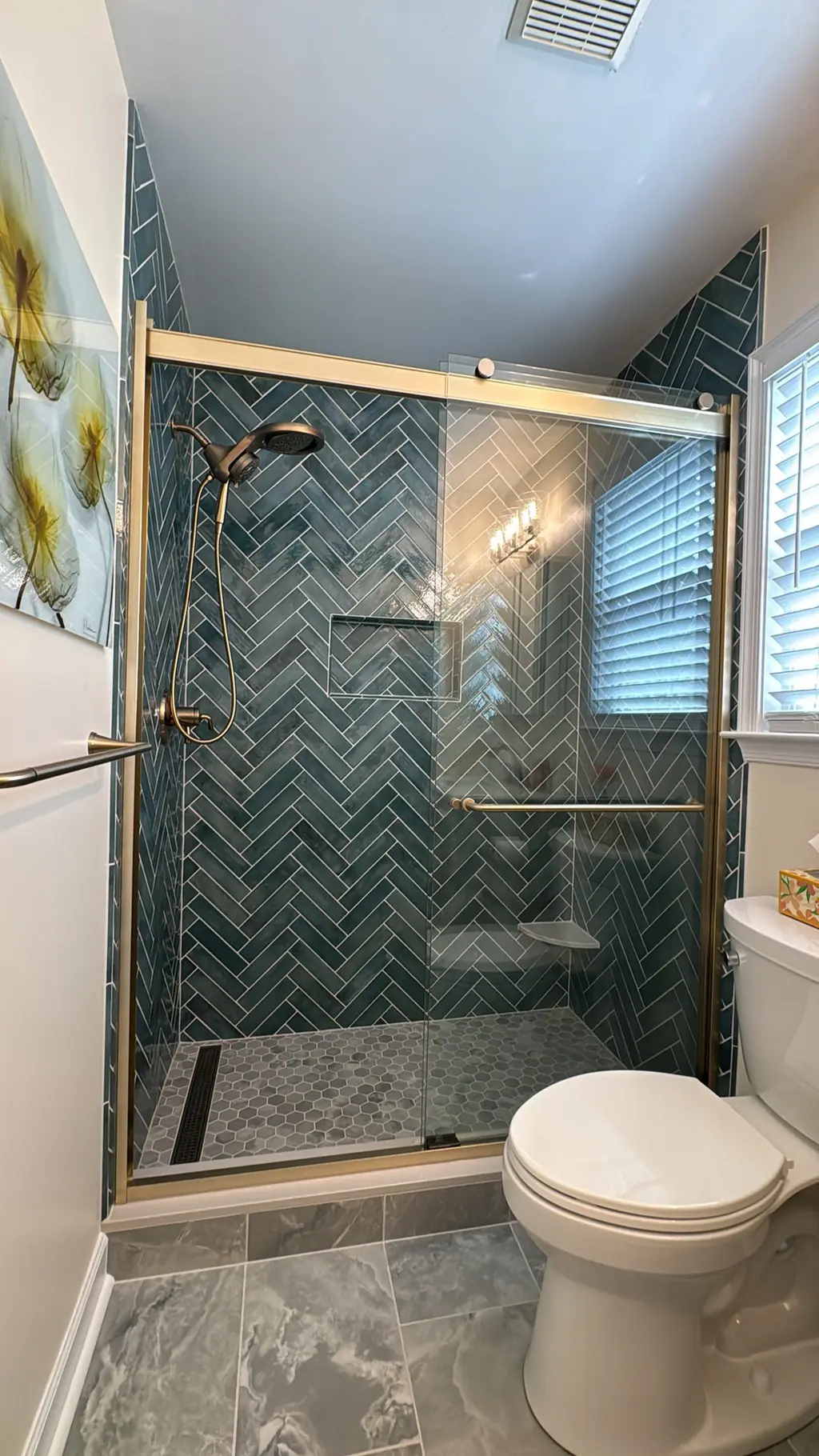
Accessible Showers for Aging in Place in Newark, DE
Curbless entries, linear drains, grab-bar blocking and seats: how to plan a shower you can keep using for decades, in a ranch or a split-level.
Demolition in Older Philadelphia Homes: Plaster, Lead and Dust
Before opening walls in an older Philadelphia house, know what is in them: plaster and lath, mud-set tile, lead paint and sometimes asbestos. Here is how to handle it safely.