
Interior demolition in King of Prussia is usually the first step of a remodel, and how it is done shapes the rest of the job. We take rooms down to studs and subfloor, remove old tile and mortar beds, break out cast iron tubs, pull up layered flooring and haul the debris away. The goal is a clean, open room where the next trade can see exactly what they are working with.
We do demolition as part of our own bathroom, kitchen and flooring projects, and as a standalone service for homeowners who are working with other contractors or doing the rebuild themselves. Either way, we protect the rest of the house and stop to show you anything unexpected behind the walls before it gets covered again.
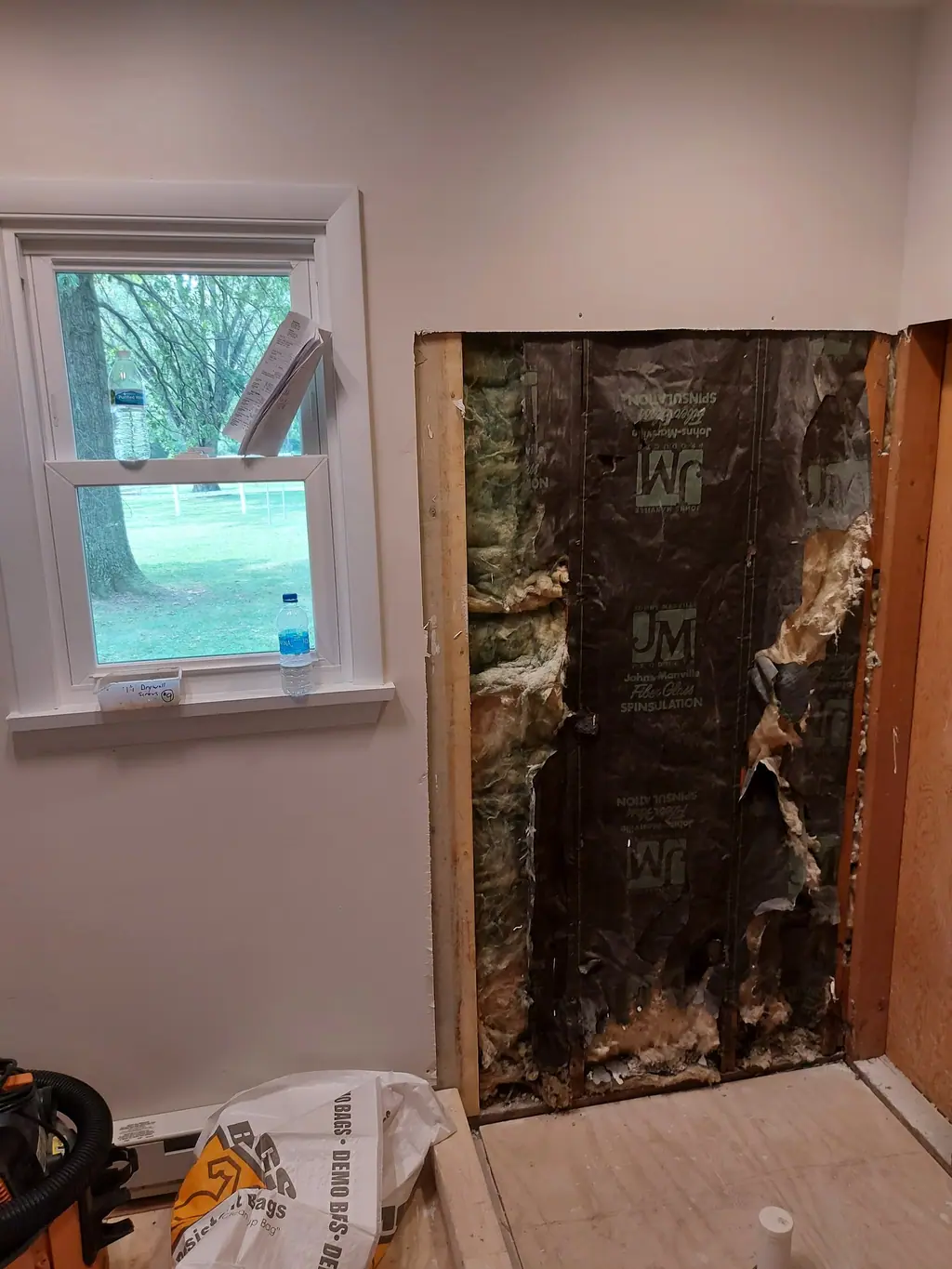
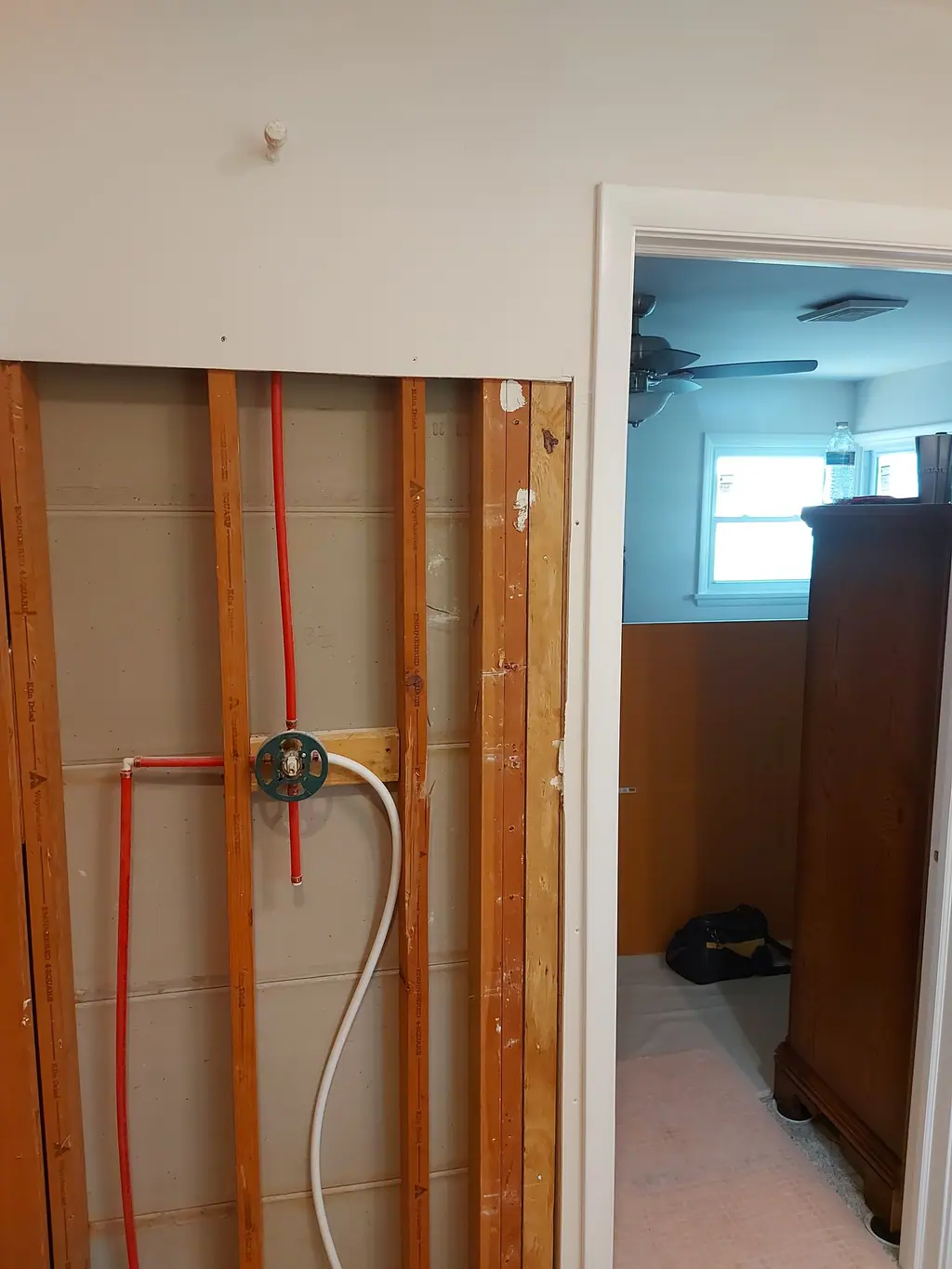
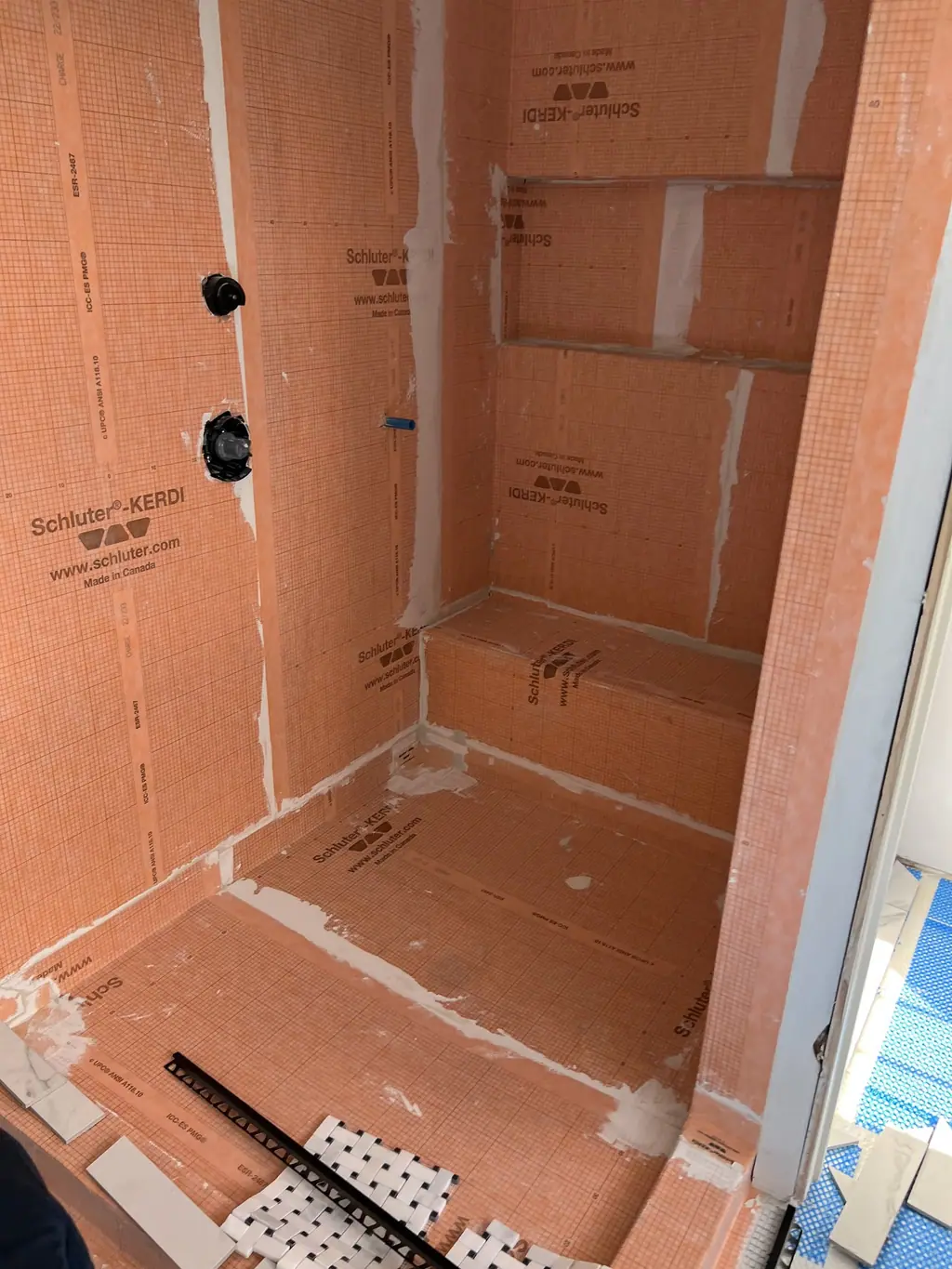
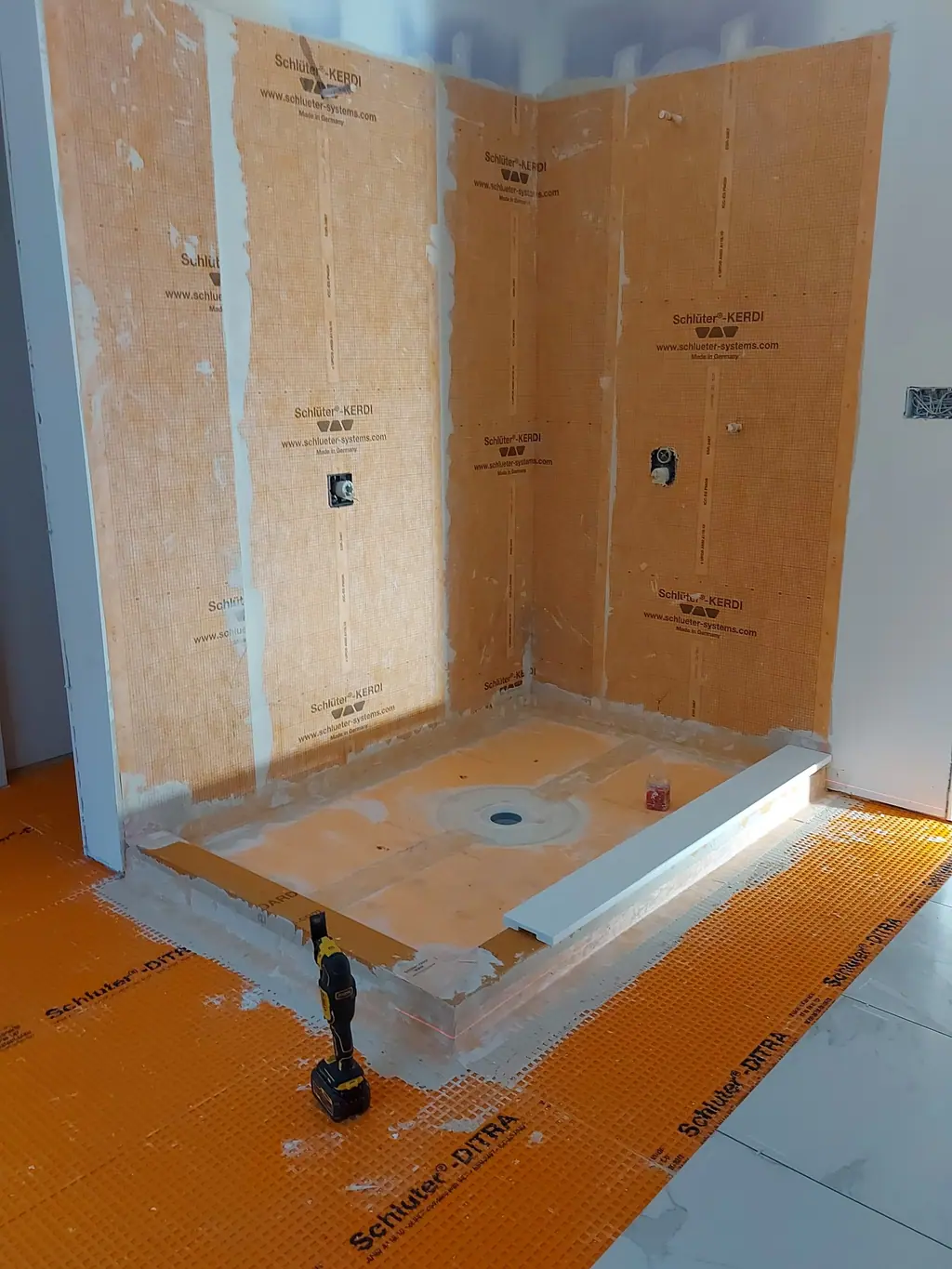
What we find behind the walls in Upper Merion homes
A large share of King of Prussia's houses date from the 1950s through the 1970s. Demolition in those homes follows a familiar pattern. Bathroom walls are often tiled over a thick mortar bed reinforced with wire lath, which is heavy and slow to remove. Tubs are frequently cast iron. Floors may have several layers stacked up: original tile or vinyl, then plywood, then a newer vinyl or laminate on top. Some homes have plaster walls, while later additions and finished basements are usually drywall.
Homes built before 1978 may contain lead paint, and houses from this period can also have asbestos in 9-inch floor tiles, their black adhesive, pipe insulation or some textured ceilings. We work lead-safe in pre-1978 homes, and we recommend testing suspect materials before demolition. If testing confirms asbestos, abatement needs to be handled by a licensed abatement contractor before we start.
What we handle
Bathroom gut-outs
Tile, mortar beds, vanities, toilets and tubs removed down to studs and subfloor.
Cast iron tub removal
Breaking the tub in place and carrying it out in pieces, instead of dragging a fixture that can weigh several hundred pounds through the house.
Kitchen tear-outs
Backsplash tile, countertops, cabinets and flooring removed so new cabinets and tile can go in.
Floor removal
Tile, vinyl, laminate, carpet and layered underlayment taken up to the original subfloor or slab.
Non-structural wall removal
Taking out partition walls and closets once it has been confirmed they are not load-bearing and any utilities inside have been dealt with.
Haul-away
Debris loaded out and removed, with dumpster placement worked out with you or your HOA.
How the project runs
Walkthrough & estimate
We look at what is coming out, how debris will leave the house and what needs protecting along the way. Free estimate.
Shutoffs and protection
Water and power to the work area are shut off or isolated, floors along the path are covered, and doorways are sealed with plastic and zipper doors.
Tear-out
Materials are removed in a planned order, with dust controlled at the source and the work area cleaned as we go.
Inspection and handoff
We walk the opened room with you, point out damaged framing, old leaks or wiring concerns, and leave the space broom-clean and ready.
Planning a demolition in an occupied house
Most people live at home through a remodel, so dust and noise control matter. Mortar-bed tile and plaster create fine dust. We isolate the room, keep the HVAC returns in the work area covered, and clean daily. In split-levels, where rooms are stacked on short flights of stairs, the path out of the house needs the most protection.
Plan for surprises. Opening a 60-year-old bathroom wall may reveal an old leak, a corroded galvanized supply line or a joist that was notched for a drain years ago. These are easier and cheaper to fix while everything is open, so it helps to keep some room in the budget for them.
Some demolition requires a permit when it is part of a larger project, especially if walls, plumbing or electrical are being altered. Upper Merion Township can tell you what applies to your scope, and we check before work begins. For more on older-home demolition, read our post on plaster, lead and dust control.
Areas we cover around King of Prussia
- Gulph Mills
- Bridgeport
- Swedesburg
- Valley Forge
- Wayne
- Norristown
- Conshohocken
- West Conshohocken
- Plymouth Meeting
Interior Demolition in King of Prussia: FAQ
Can you do only the demolition and let another contractor do the rebuild?
Yes. We can take the room down to studs and subfloor, haul the debris away and leave a clean space for your next contractor or your own work.
Do you test for asbestos before demolition?
Testing should be done by a qualified inspector or lab, not by eye. If your home has materials that could contain asbestos, such as old 9-inch floor tile or black mastic, we recommend having them tested first. If they test positive, a licensed abatement contractor removes them before we start.
How do you get a cast iron tub out of a second-floor bathroom?
We break it into pieces in the bathroom with the room sealed and carry the pieces out. It is loud for a short time, but it avoids damage to stairs and walls.
Can we stay in the house while the bathroom is gutted?
Usually, yes. We seal the room, protect the path to the door and clean up at the end of each day. If it is your only bathroom, we talk through timing so you are without a working toilet for as little time as possible.
Related reading
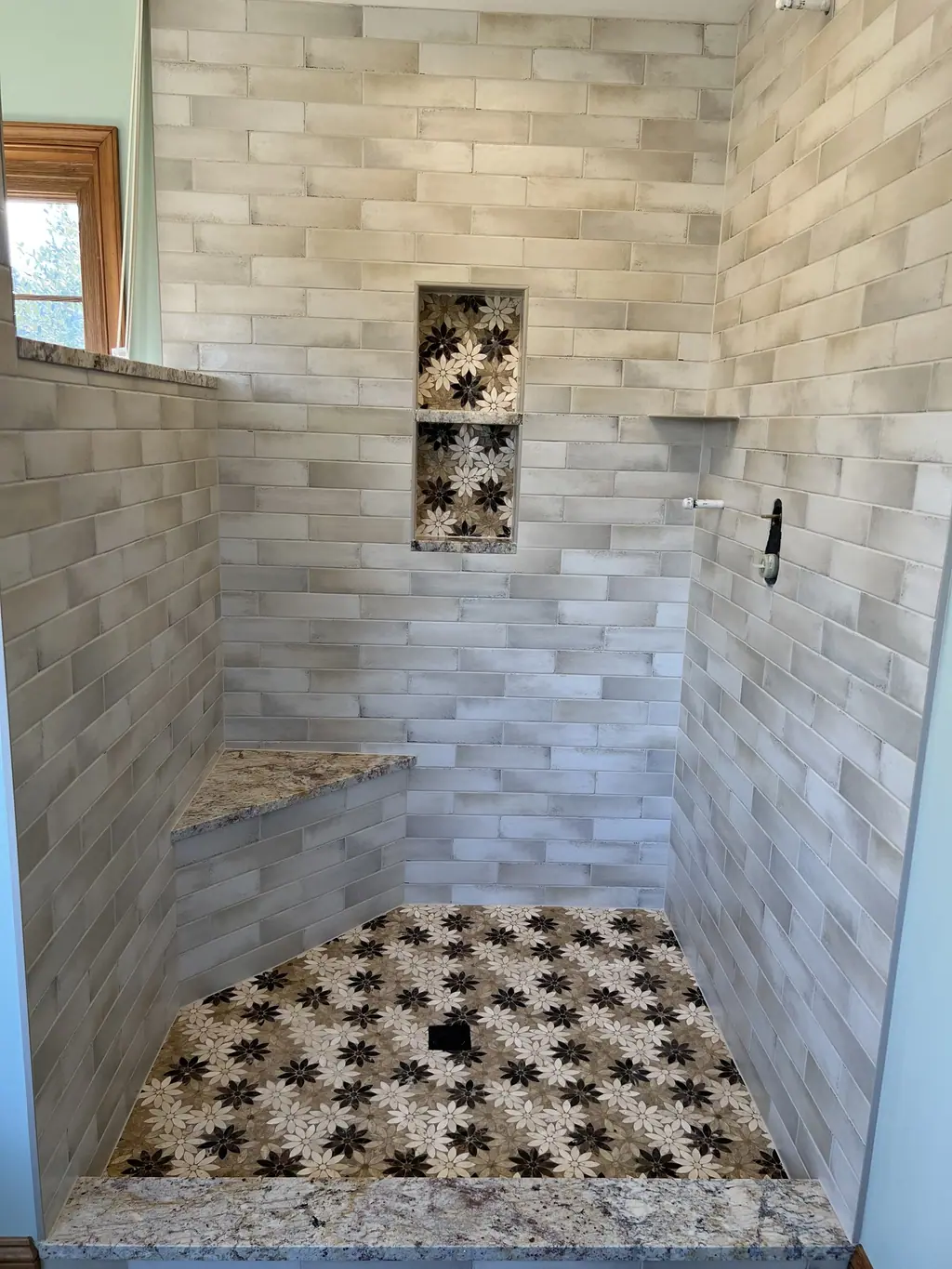
Tub-to-Shower Conversion in King of Prussia: A Planning Guide
What it takes to turn a standard 5-foot tub alcove into a tiled walk-in shower, from the drain and pan to glass, niches and the permit question.
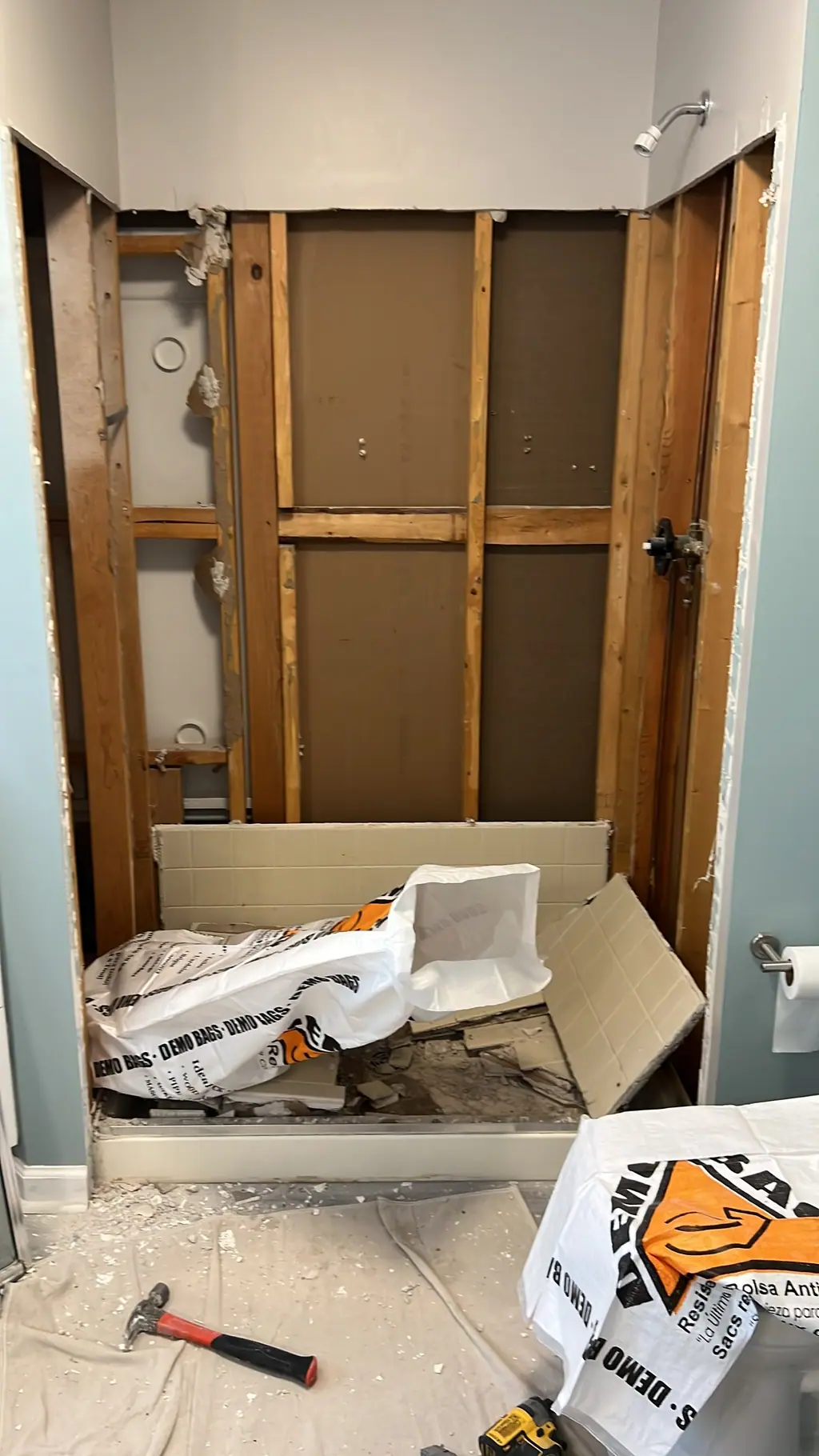
Demolition in Older Philadelphia Homes: Plaster, Lead and Dust
Before opening walls in an older Philadelphia house, know what is in them: plaster and lath, mud-set tile, lead paint and sometimes asbestos. Here is how to handle it safely.
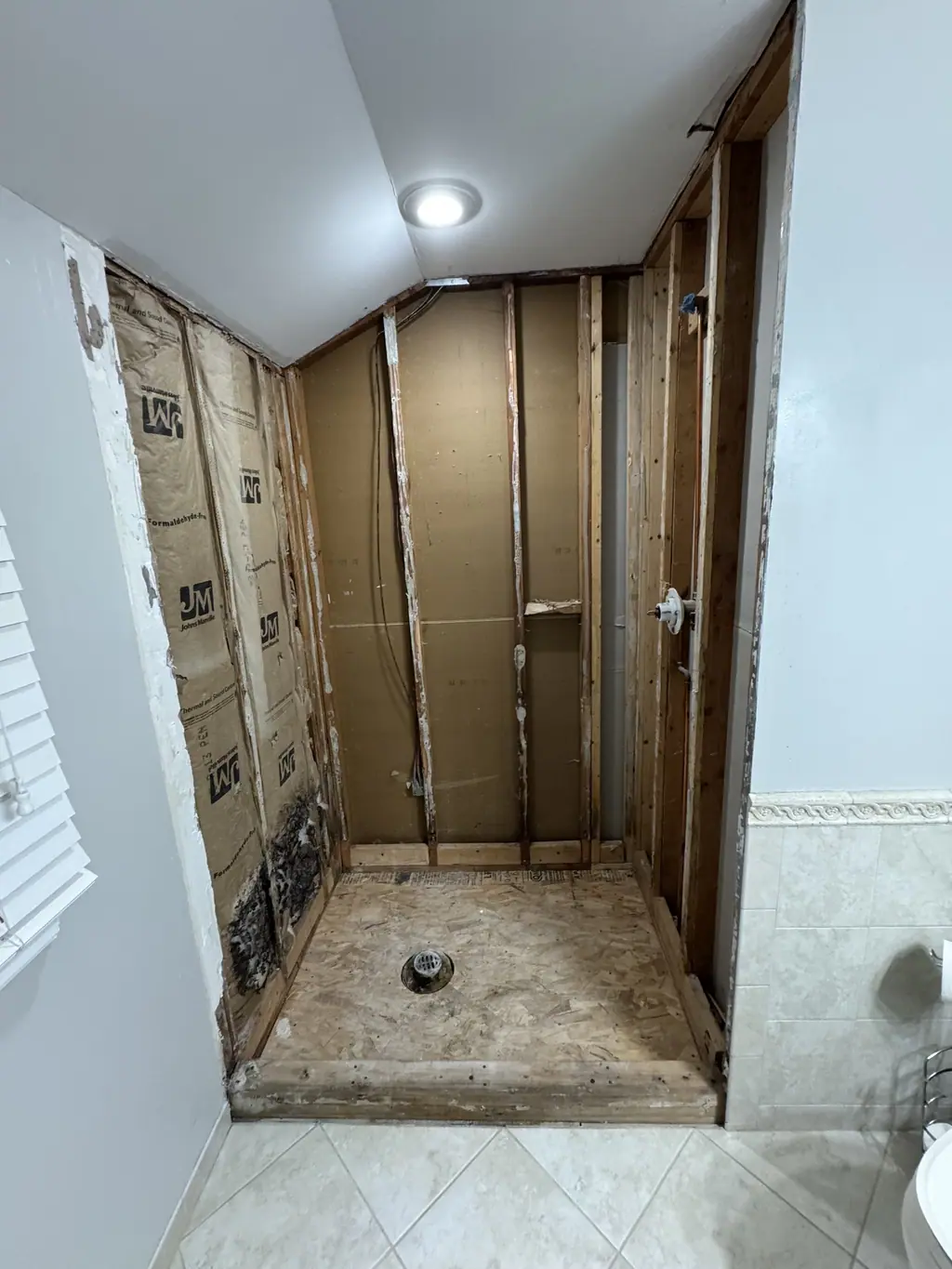
Interior Demolition Before a Remodel in Wilmington
Demolition sets up every step that follows. Here's what to decide, test and protect before the first wall comes down in an older Wilmington home.