
Most of the interior demolition in Elkton, MD we do is the first phase of our own remodels: a bathroom stripped for a new tile shower, a kitchen floor taken up for porcelain, a wall of old tile removed to reach the framing. We also take on demolition as a stand-alone job for homeowners who plan to handle the rebuild themselves or with another contractor.
Good demolition is careful demolition. The goal is to remove what's coming out without cracking the ceiling below, gouging the neighboring wall or breaking a pipe that wasn't part of the plan, and then leave the space clean enough that the next trade can start work right away.
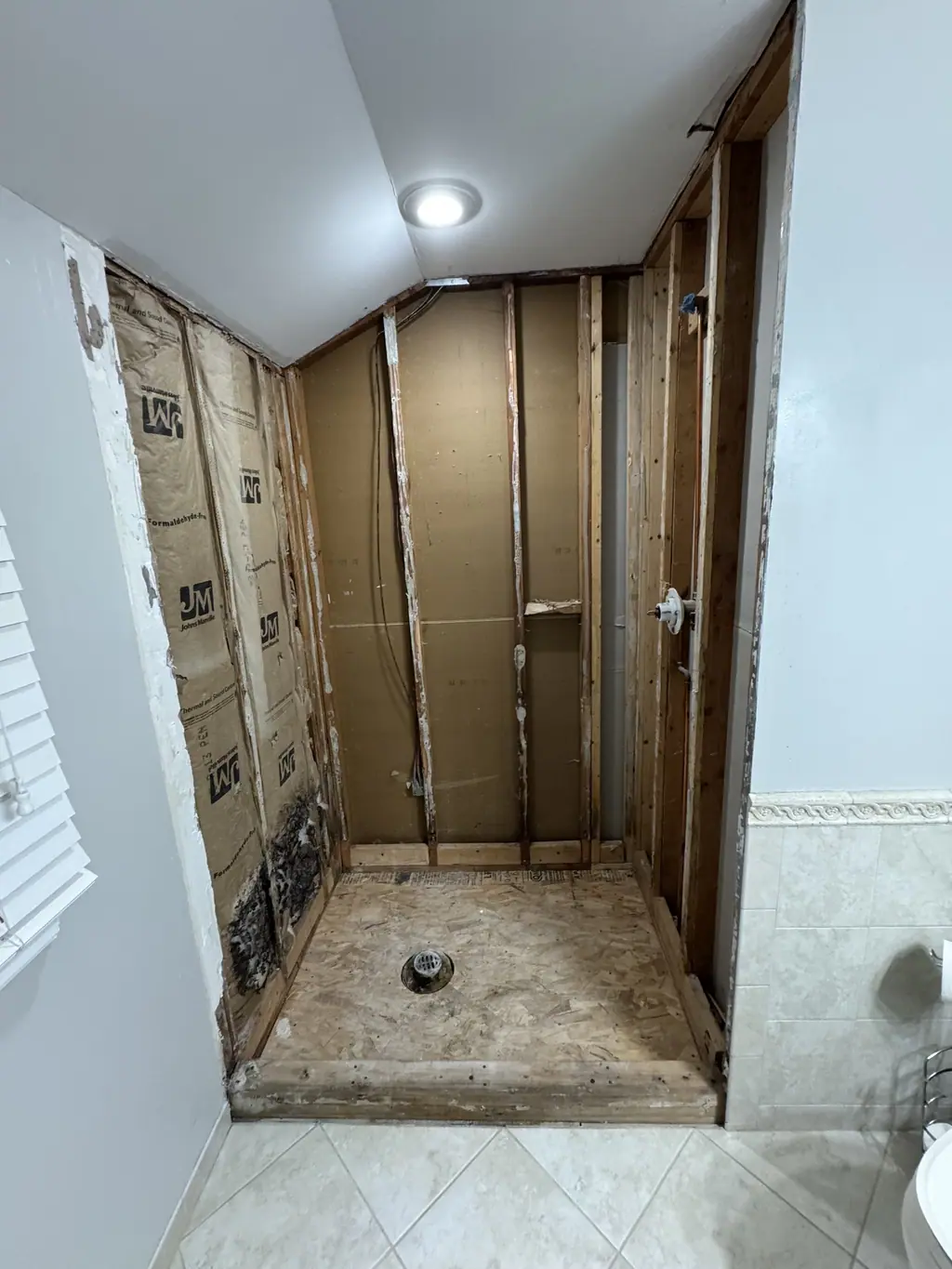
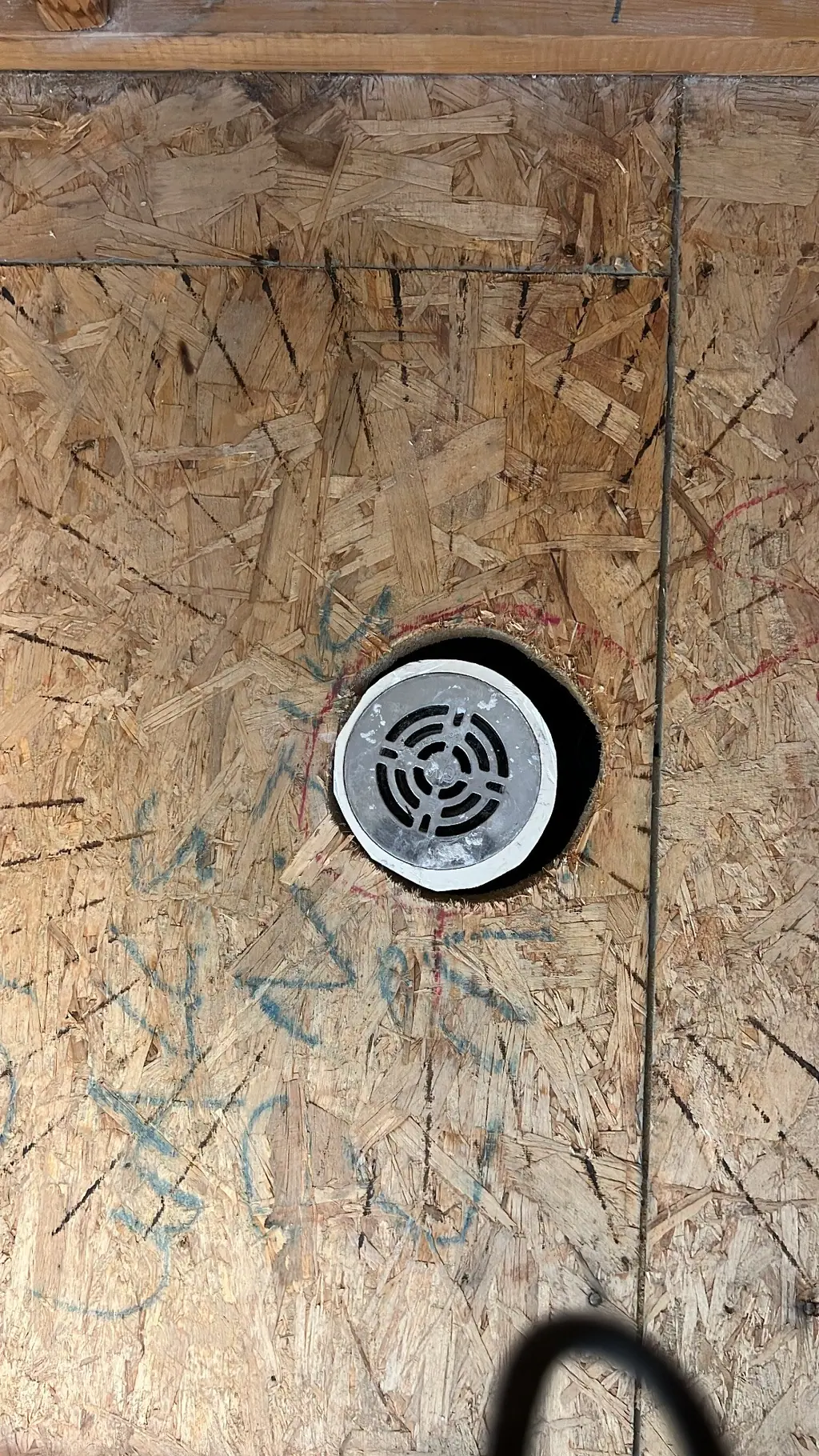
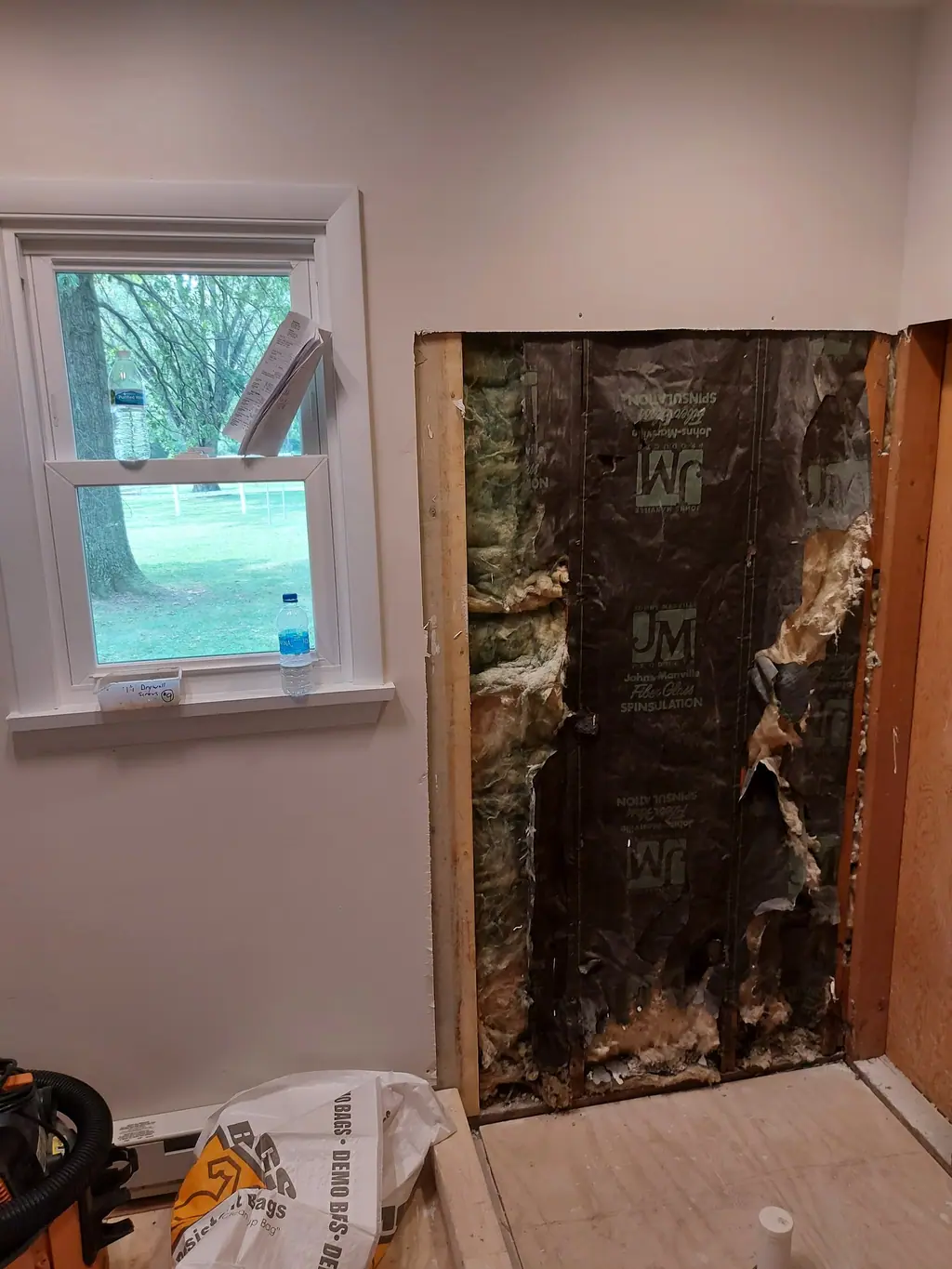
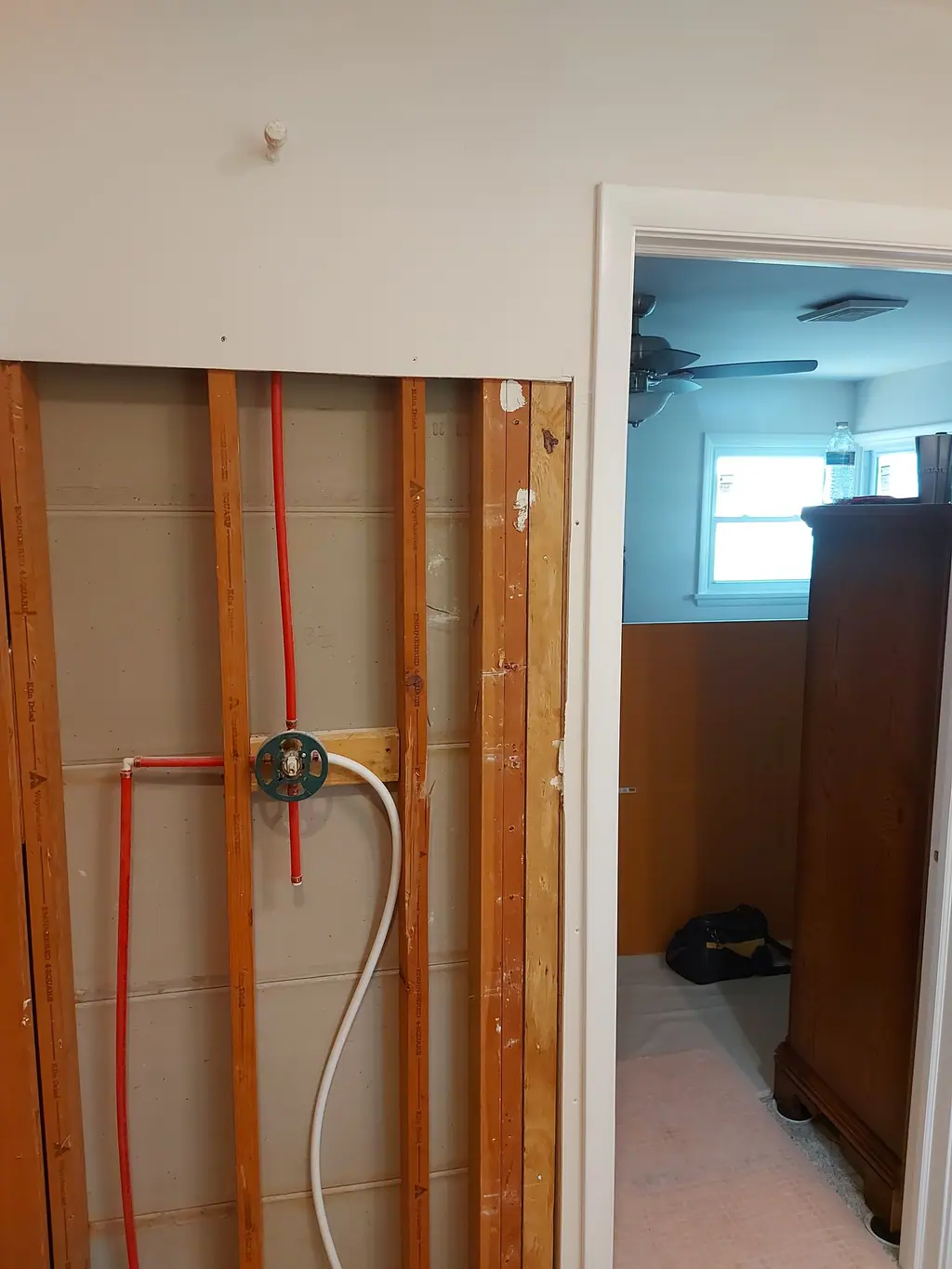
What we find behind the walls around Elkton
The age of the house tells us a lot. Older homes in and near downtown Elkton may have plaster walls, thick mortar-bed tile set on wire lath, and cast-iron tubs that weigh several hundred pounds. Houses from the 1960s and 70s often hide tile glued to drywall or early backer board. Newer construction around Route 40 and North East tends to have fiberglass shower units and thinner subfloors. Each calls for different tools and a different amount of containment.
Moisture is the other common find. Between river-valley humidity and years of small leaks, we regularly uncover soft subfloor around toilets and tubs, or rotted sill plates under exterior-wall showers. We show you what we find and explain the options before anything gets rebuilt. For homes built before 1978, painted surfaces may contain lead, and we discuss lead-safe work practices during the walkthrough. Permit requirements for demolition connected to a remodel are confirmed with the Town of Elkton or Cecil County for each project.
What we handle
Bathroom gut-outs
Tub, shower, tile, vanity, toilet and backer board removed down to studs and subfloor, with supply and drain lines capped.
Mortar-bed tile removal
Breaking out thick mud-set tile and wire lath from older bathrooms and floors, which is slow, heavy work that needs care near finished surfaces.
Floor tear-outs
Removing tile, sheet vinyl, carpet, glued-down plank and layers of old underlayment to reach a sound subfloor.
Kitchen backsplash and surface removal
Taking off old tile or laminate backsplashes while protecting cabinets and counters that are staying.
Non-structural walls and closets
Removing partition walls and built-ins that don't carry load, after confirming that with the framing in view.
Debris haul-away
Loading and removing demolition waste so the house isn't left with a pile of rubble in the yard.
How the project runs
Walkthrough & estimate
We look at what's coming out and what has to stay protected, check access for carrying debris out, and note anything that needs a closer look. Free.
Protection & containment
Floor runners, plastic dust barriers, covered vents and a sealed doorway keep dust in the work area.
Shut-offs & demolition
Water and power to the area are shut off and made safe, then materials come out in order, top to bottom.
Inspection of what's exposed
Once open, we check framing, subfloor and plumbing and walk you through any rot, damage or outdated lines.
Cleanup & haul-away
Debris is removed, nails pulled, and the room swept and vacuumed so it's ready for the next phase.
Planning a tear-out before a remodel
It helps to decide the full scope before demolition starts. If there's any chance the shower will move or the floor will go to tile, remove enough to allow for it now. Opening a wall a second time costs more than opening it once. If you're comparing how others approach this step, our guide to interior demolition before a remodel covers the planning questions in more depth.
Plan for the unknown. The most useful thing you can budget for is time to fix what turns up: a soft section of subfloor, a corroded drain fitting, a joist notched too deep by a past plumber. We'd rather tell you about it with the walls open than cover it over. Demolition is usually followed by our bathroom remodeling work in Elkton or a new floor.
Areas we cover around Elkton
- North East
- Elk Mills
- Fair Hill
- Rising Sun
- Chesapeake City
- Perryville
- Charlestown
- Bay View
Interior Demolition in Elkton: FAQ
Can you demo the bathroom and let us do the rest?
Yes. Stand-alone demolition is something we do. We leave the room down to studs and subfloor with lines capped and debris gone, ready for your next step.
How do you keep dust out of the rest of the house?
Plastic barriers, a zippered door, covered HVAC returns and floor protection along the path out. We also bag and carry debris rather than dragging it through the house.
Our house was built before 1978. Is that a problem?
It means painted surfaces may contain lead, so the work needs lead-safe practices: containment, misting, careful cleanup and no dry sanding. We discuss it at the walkthrough so the plan accounts for it.
What happens if you find rot?
We stop, show you, and explain what repair it needs before continuing. Rot around tubs and toilets is common in older Cecil County bathrooms. Contact us to set up a walkthrough.
Related reading
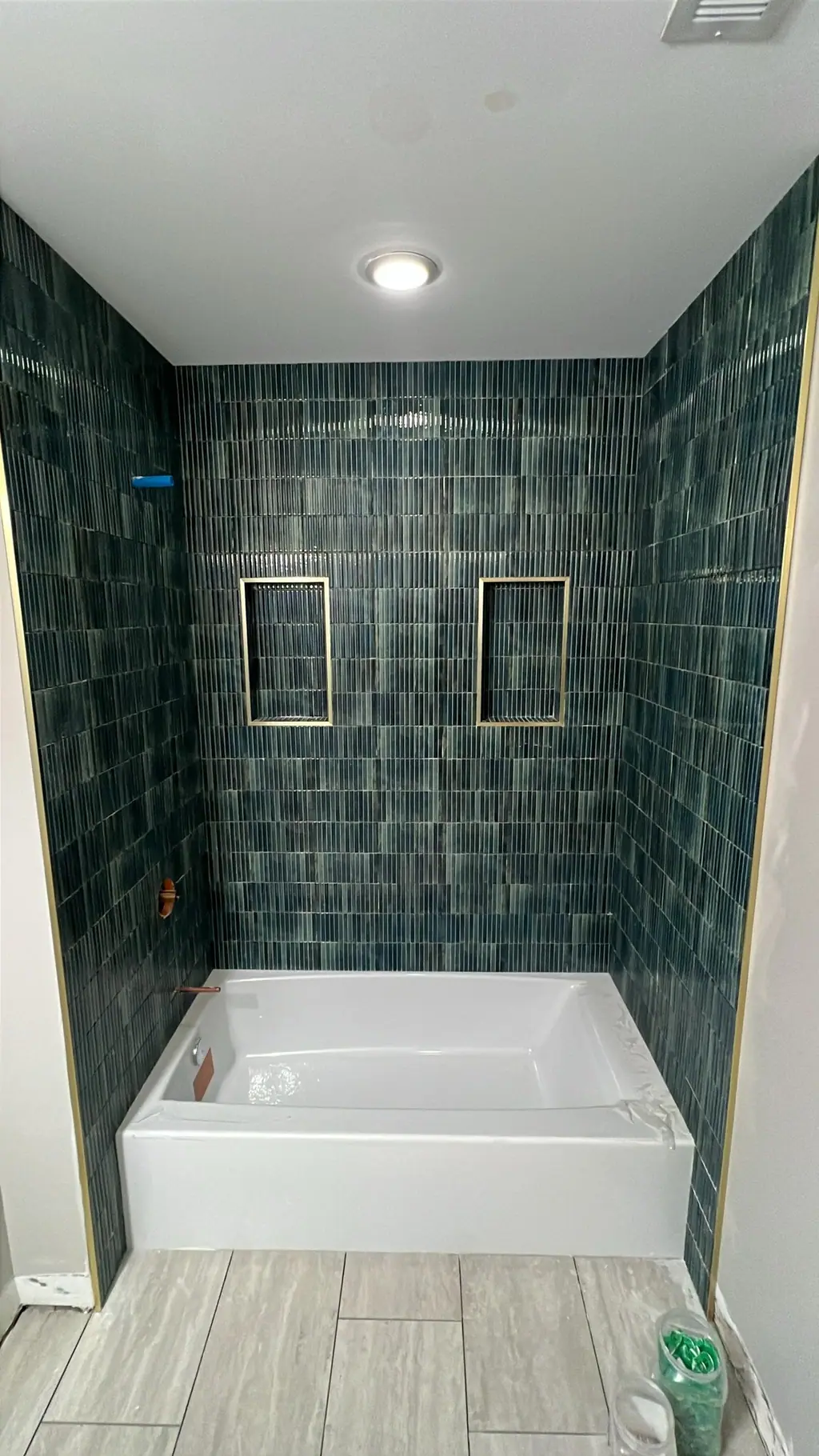
Bathroom Remodeling in Cecil County Homes: A Practical Guide
What to expect when remodeling a bathroom in an Elkton or Cecil County home, from what's hiding behind the old tile to choices that hold up in a humid, well-water region.
Interior Demolition Before a Remodel in Wilmington
Demolition sets up every step that follows. Here's what to decide, test and protect before the first wall comes down in an older Wilmington home.
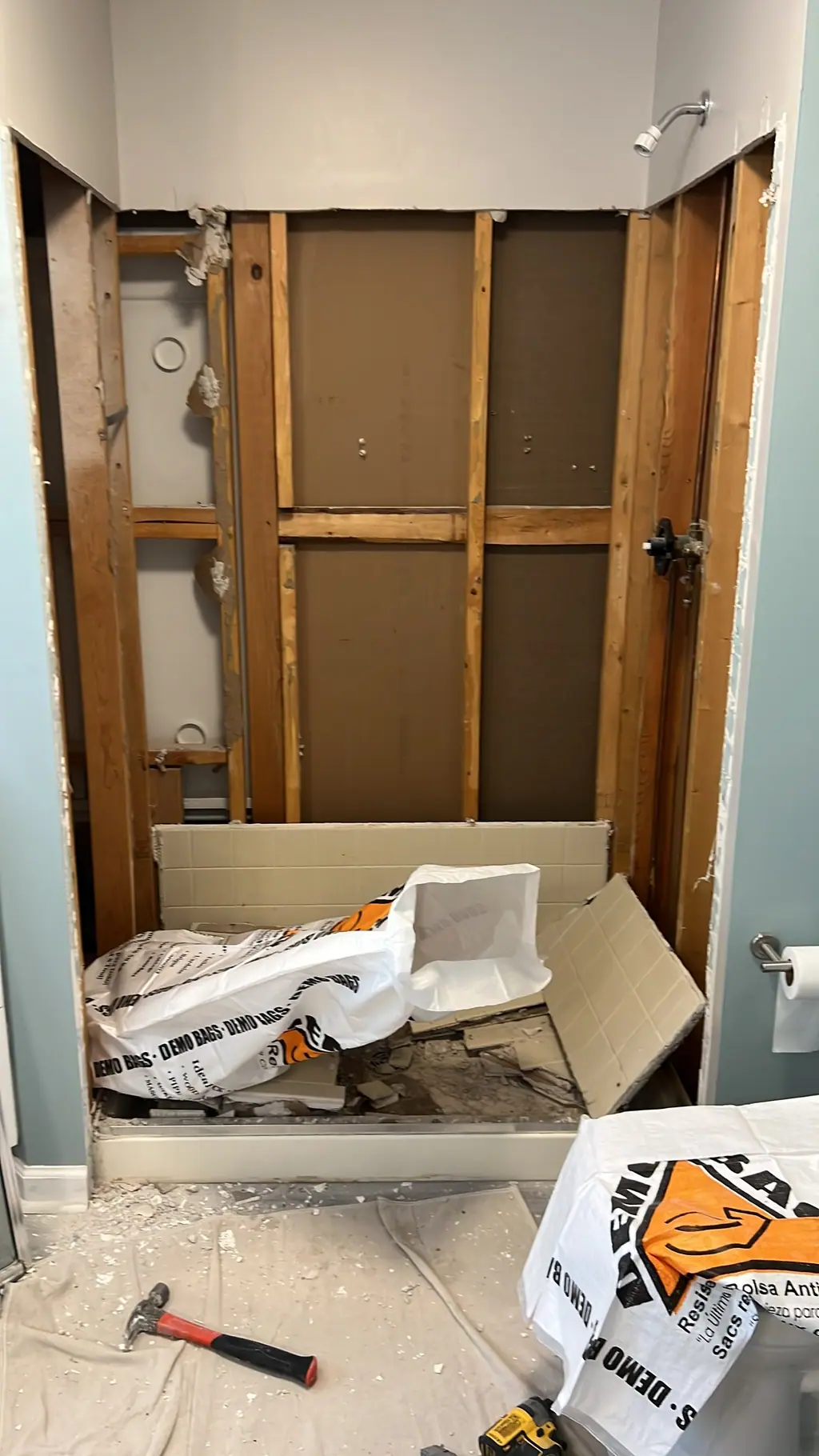
Demolition in Older Philadelphia Homes: Plaster, Lead and Dust
Before opening walls in an older Philadelphia house, know what is in them: plaster and lath, mud-set tile, lead paint and sometimes asbestos. Here is how to handle it safely.